Overdue Review: Diablo 2: Resurrected

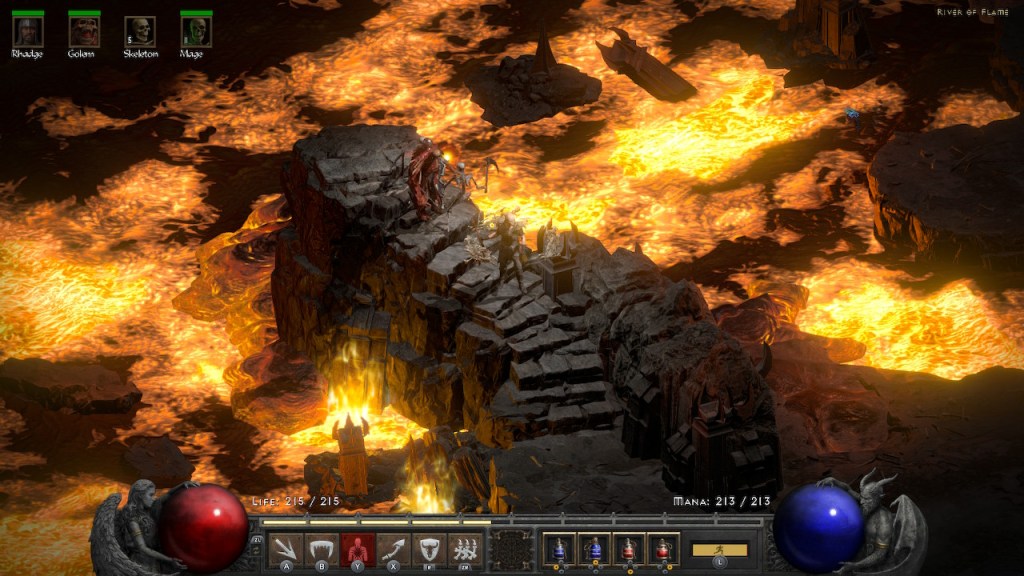
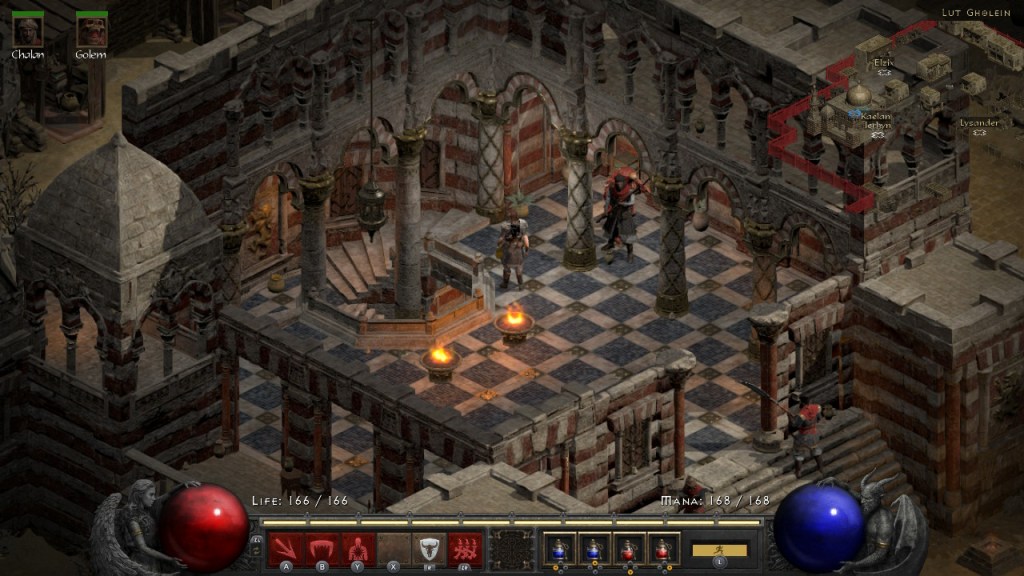
Credit: Diablo 2: Resurrected. Screenshot by me. This classic gets an updated look.

Diablo 2 from Blizzard Entertainment is an action role-playing game that was an instant classic when it initially launched in the year 2000. Twenty-one years later, in association with Vicarious Visions, Blizzard launched D2: Resurrected. This remaster faithfully restores the original game with updated graphics. I only glimpsed at D2 back in the day, but I am so happy that I got to experience it now, with an excellent fresh coat of paint.

The Diablo series is medieval European fantasy with a horror twist. The devil known as Diablo has returned to the human realm of Sanctuary, and is laying waste to humanity with his evil demons. Diablo’s intention is to bring Hell directly into the human world. It is up to you as a mortal to stop him, as holy angels are sworn not to interfere with human affairs. There is some memorable voice acting, but the story isn’t the greatest thing, for the most part. What keeps you going is the gameplay.

This game is a glorious dungeon crawler. You scour randomly generated areas in search of your quest. Mobs of beasts, and demons swarm at you. The key to survival is not only epic loot, but careful strategy with your character build. Skill points can only really be reset once per character, so don’t do it half way into Act 1 as I foolishly did. You will lay waste to endless hordes of foes as you grind experience in preparation for devilishly challenging boss fights.

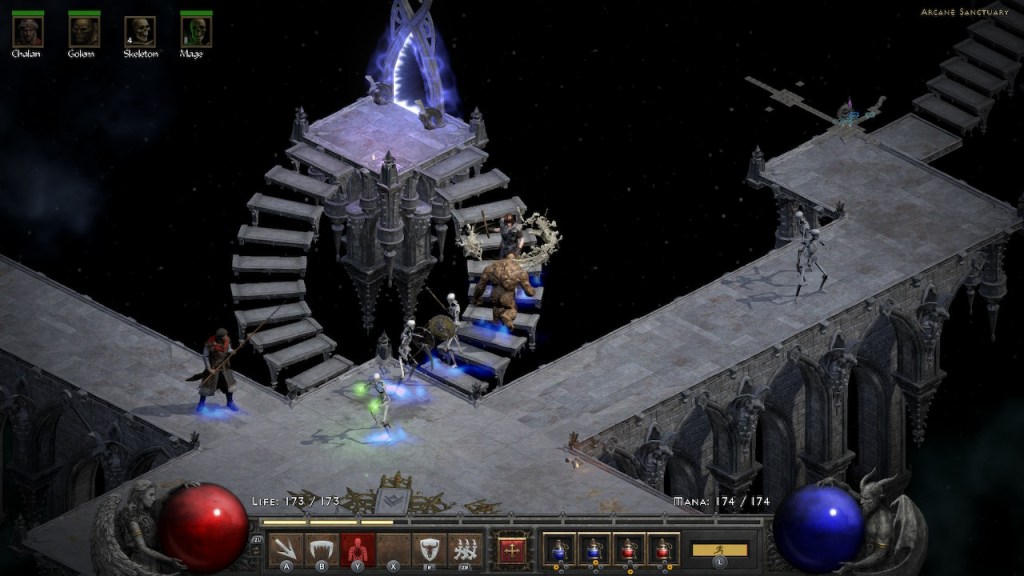
Credit: Diablo 2: Resurrected. Game clip by me. Fighting a few basic mobs while grinding.

To build your character, you will work from one of seven preset classes. The classes are: Amazon, Assassin, Barbarian, Druid, Necromancer, Paladin and Sorceress. In my first go, I played Assassin, but found this would be a much more fun class for if I were to play online at some point. I decided to pick another class that might be better solo, and ended up with Necromancer. This was an excellent choice, I had a lot of fun playing this class.

Be prepared while building your class for what is coming down the road. A skill you may be tempted to dump points into early could be useless in late game, when an early humble skill could be more rewarding later on. Again, saving your skill point respec for when you know how your build really works will help you a lot.

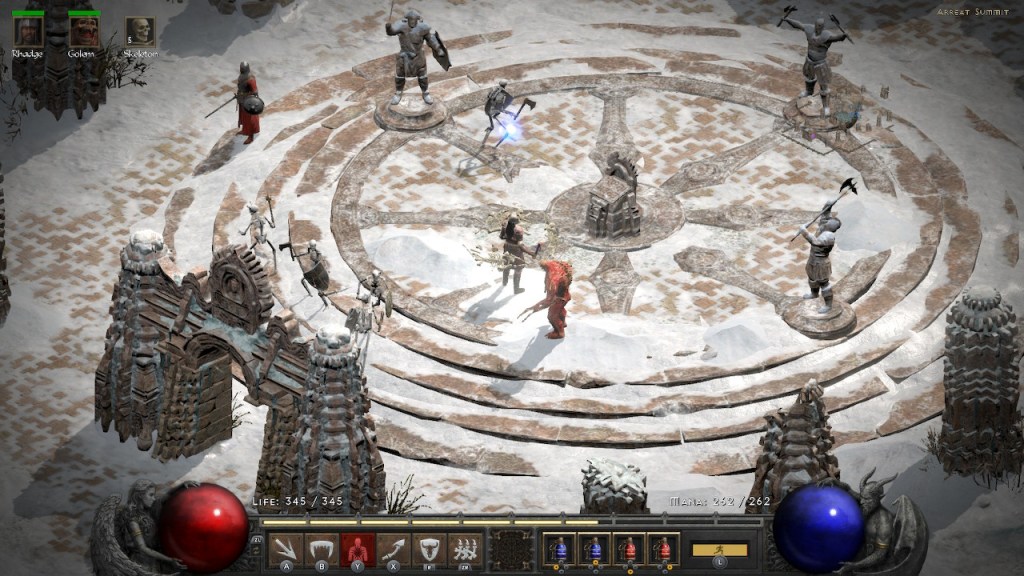
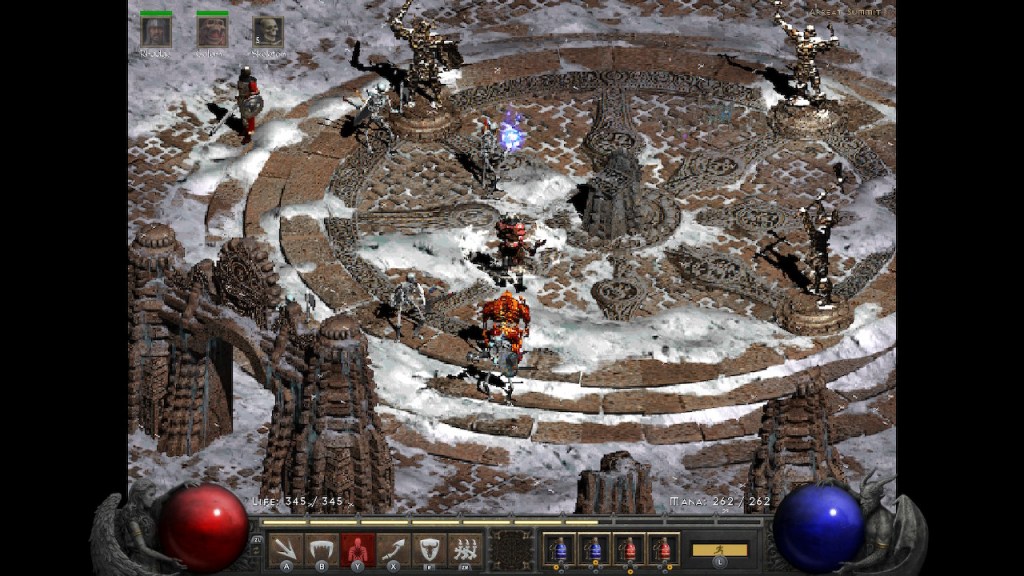
D2: Resurrected might not be the prettiest game you’ve ever seen in gameplay, but that statement alone isn’t fair. The cinematics are incredibly cool, I found myself watching them multiple times. I love how gnarly the graphical style remains, as a preservation of the original’s spirit. The graphics look like a completely different game, though with just a couple button presses you can switch between old, and remastered graphics to witness the dramatic difference before your eyes. Or, just to play with old-school graphics if that’s what you want. The graphical style does a good job communicating what is happening in the game, in a way that is entertaining.

My campaign lasted a little over forty-five hours. I would happily play again as another class, online or solo. Going alone is fine, but it would be nice to try and build an Assassin with a friend online at some point. A lot of that time was spent grinding, but not overly much. These RPGs love to have a bit of a grind historically. And before a fight with the titular Diablo, you would expect to have to put some work in, right? There were plenty of other areas to explore and enemies to slaughter along the way.
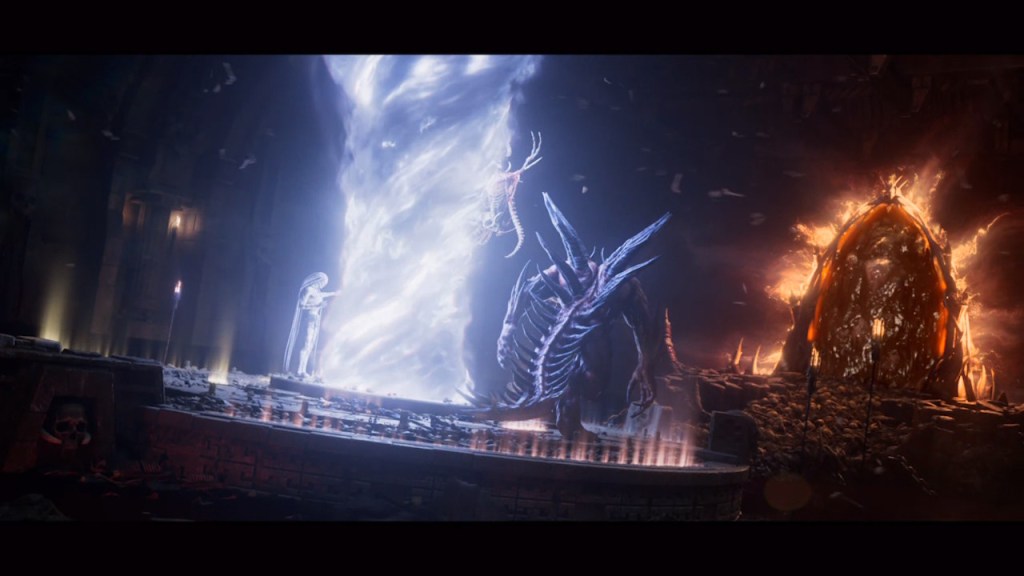
Credit: Diablo 2: Resurrected. Screenshot by me. The cinematic sequences are eye popping.

Grinding before a boss is a key part of D2. It is cathartic fun that builds the tension for your ultimate win. Don’t give up just because you got wrecked in less time than the subsequent loading screen. Learning boss behavior, working with the environment, and mastering your build will help you overcome any boss. There were a few bosses where I really felt like I was struggling, but I am so glad I never gave up because the victories were so rich.

Since my last review, I have played no other game besides Diablo 2: Resurrected. Unusual for me, as I typically keep at least half a dozen games in rotation. It just has me hooked. The enjoyment of the core gameplay loop for me is tremendous. I love the skill effects on screen, which for my Necromancer meant a legion of minions running around fighting, as I lob magic missiles from the sheltered backfield.

I imagine I will continue to play this game. Diablo 4 is coming in early June, which I would love to play, but if I cannot for whatever reason I am lucky to have D2:R. I might take a slight break from it, just to get some blood moving in other games, but I’m sure I will return at some point. This type of game is so satisfying and addicting, it is quite the feeling when you’re in the zone.

Any platform can play this game. Personally, I found it on the Nintendo Switch online store for less than $20, when it normally retails for $40. That is such a great deal for the game I played. Diablo 2 might’ve shown its age in some regards, but it still holds up respectably well. With the updated graphics it feels like a modern game while you’re playing. Whether you’re in the Diablo 4 waiting room or not, check out D2: Resurrected. I would think fans of the original would love it as much, if not even more than I did this fantastic game.
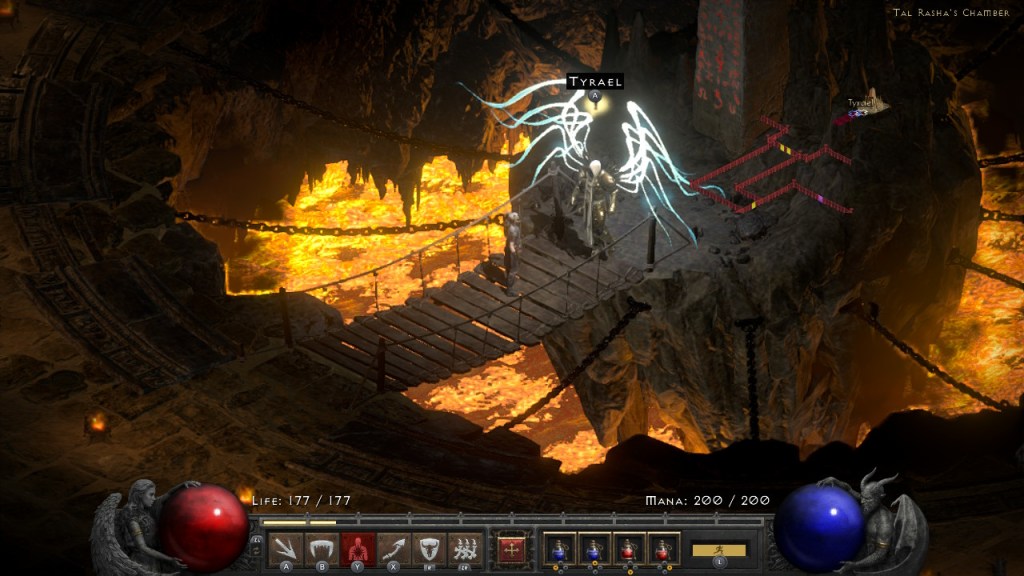
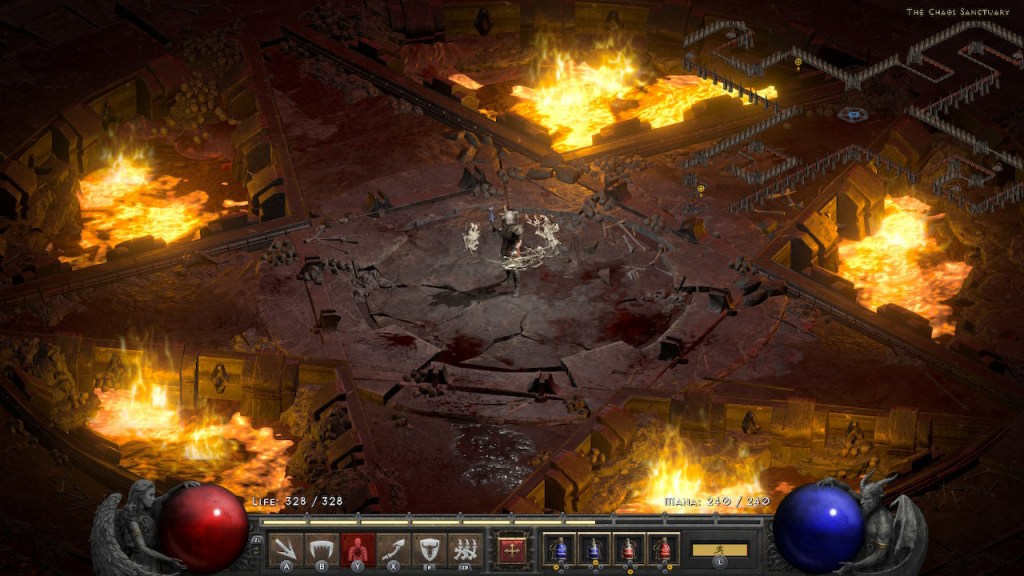
Credit: Diablo 2: Resurrected. Screenshots by me.
Retro Review: Assassin’s Creed: Rogue (Remastered)

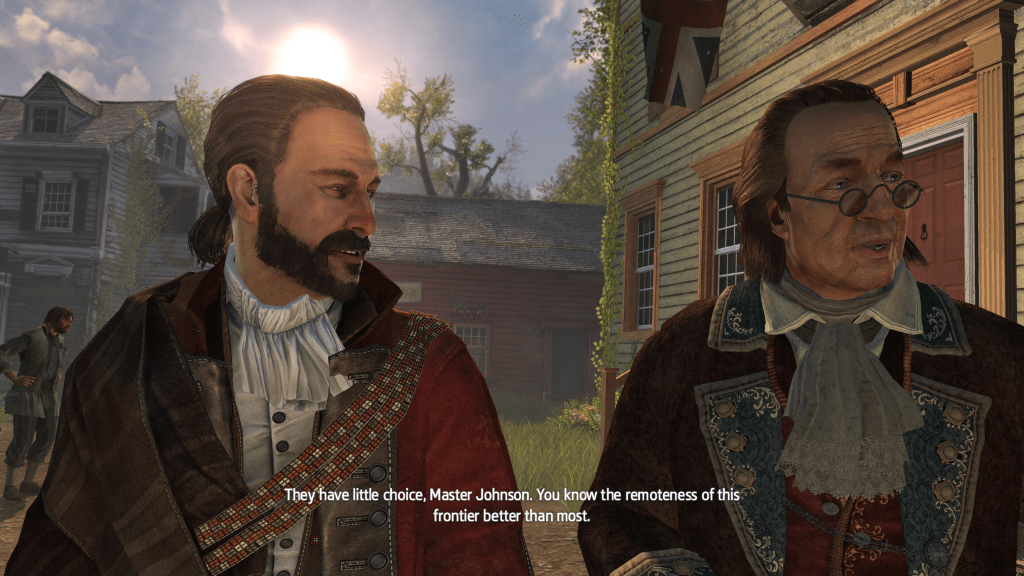
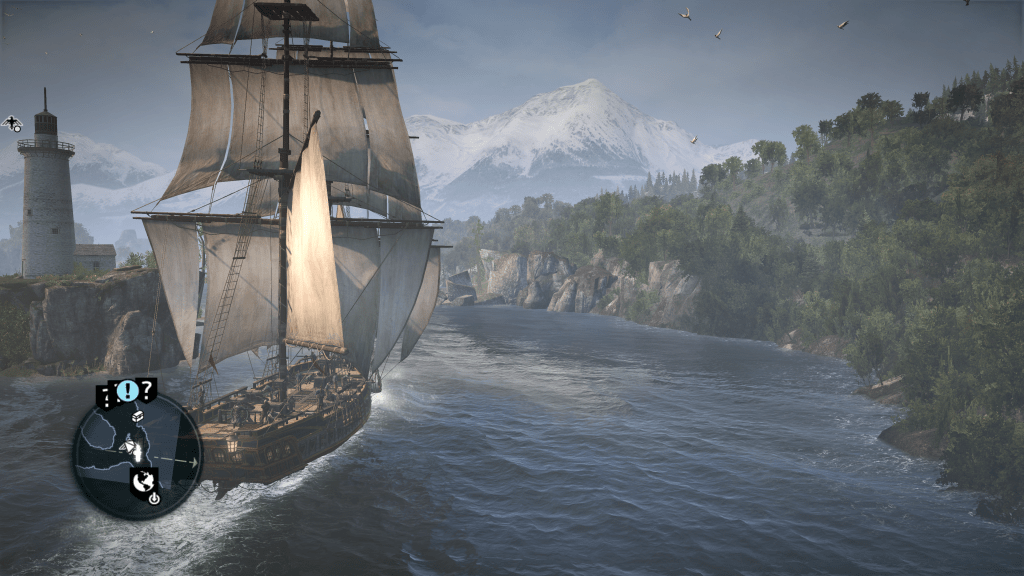
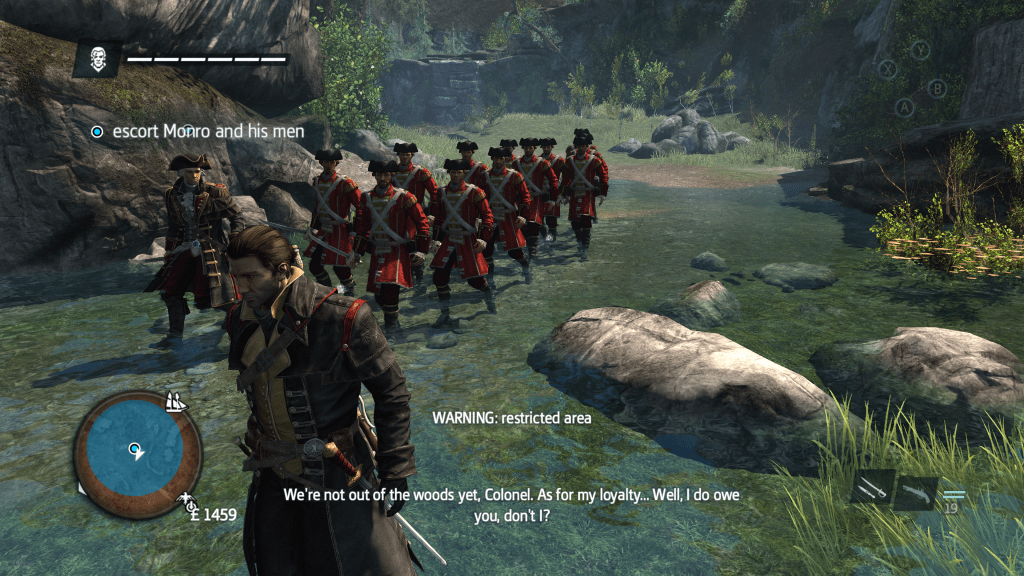
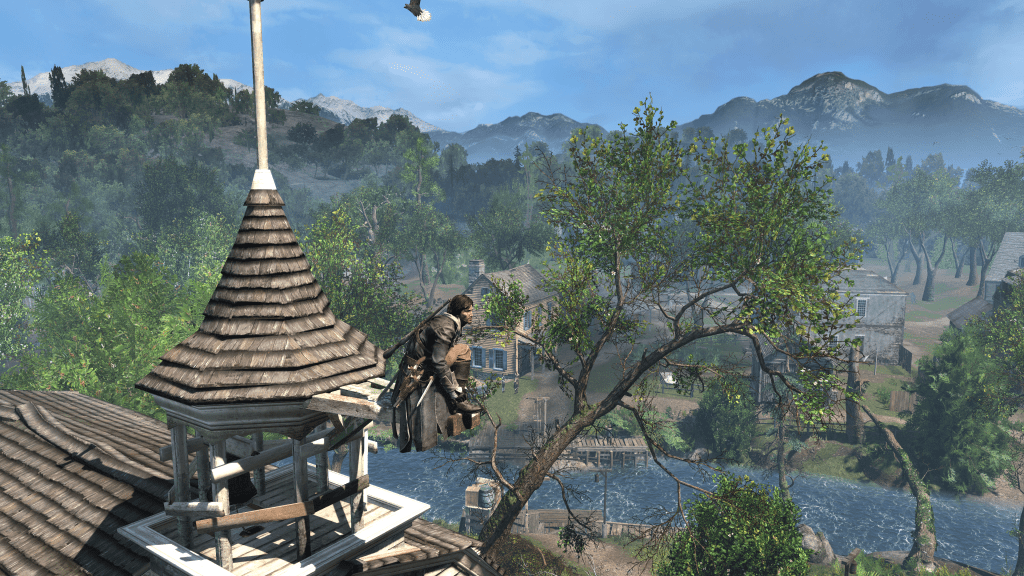
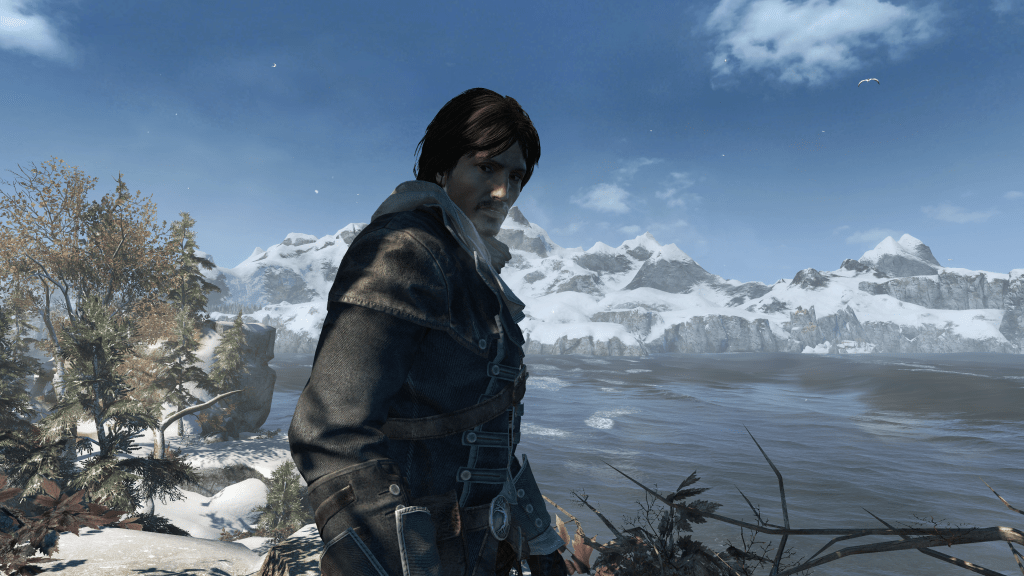
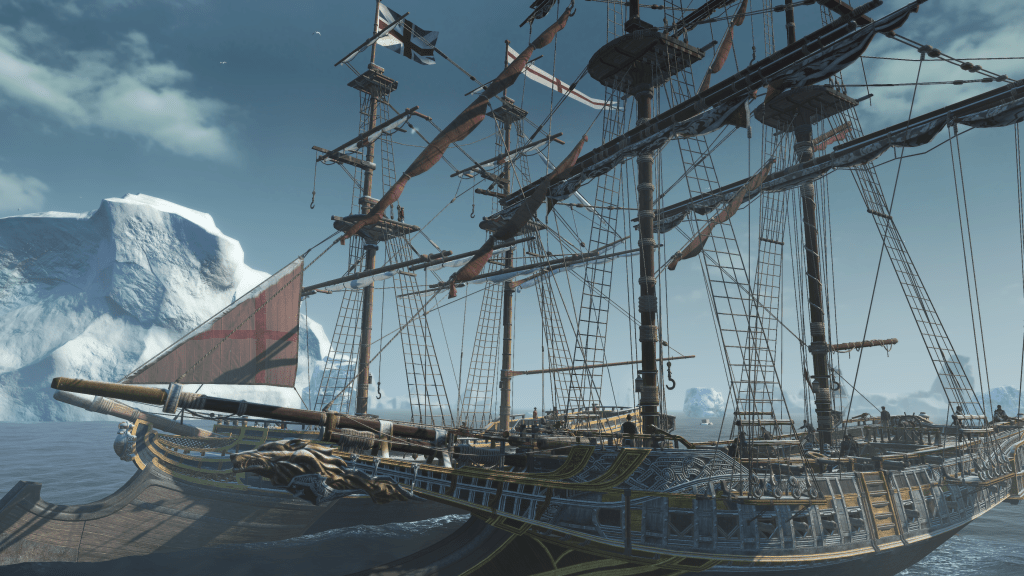
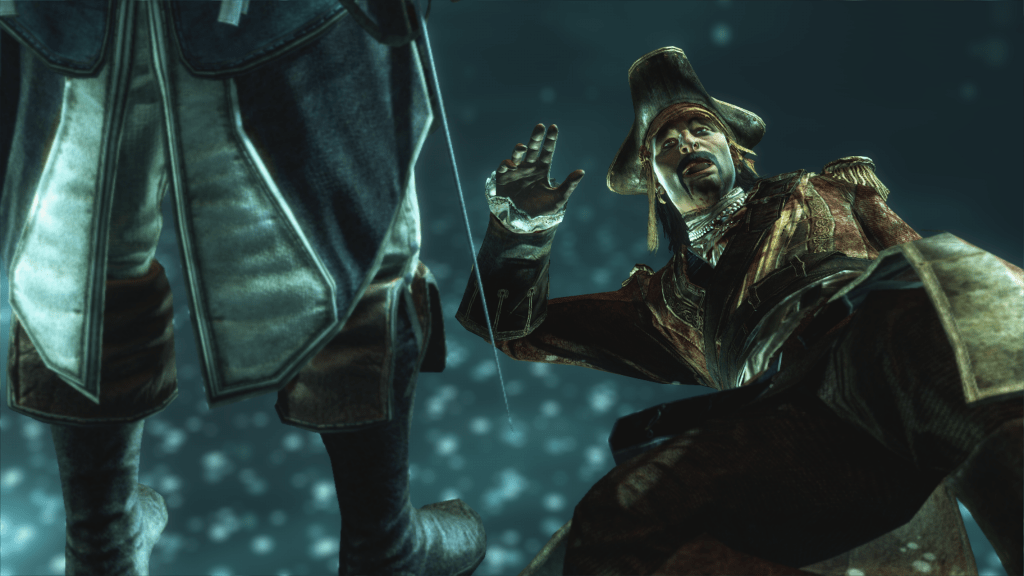
Credit: Assassin’s Creed Rogue Remastered. Screenshot by me. This iteration of the famed franchise takes a twist during the Seven Years War.

Little is said about 2014’s Assassin’s Creed: Rogue. Before playing myself it was hard to tell if it was a weak game, or just lost amidst the deep catalog of excellent AC games. Now that I’ve completed the main story, I can say that Rogue is massively underrated. It combines all the best parts of titles that came before it, in a game with admittedly less scope.

Rogue was released by Ubisoft on the same day as Assassin’s Creed Unity, but unlike Unity was available on the older seventh generation consoles, such as Xbox 360 or PlayStation 3. A remaster was released in 2018. I picked it up during the recent Assassin’s Creed 15th anniversary sale for only eight dollars. Of the slightly over fifteen hours I played, very little was truly disappointing.

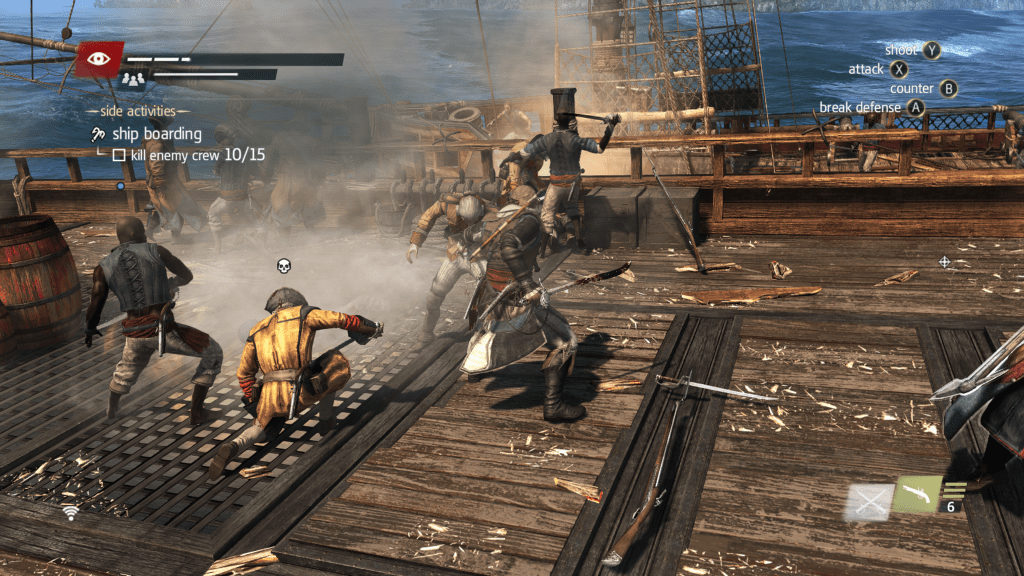
If you temper your expectations, I honestly don’t know what more you could want from an old-school AC game. There’s fantastic naval combat in the waters along the American Atlantic coast, sites to infiltrate in the River Valley, and 1750’s New York to parkour all about. Combat is joyous, stealth satisfying and the story is high grade. It is a fitting and just farewell to a generation of games where it all began for the franchise. 

In Rogue, you play as Assassin turned Templar Shay Cormack during the Seven Years War for the American colonies. While, on the face, this may not be the most interesting historical period these games have ever covered, I assure you it is rich. The way this title plays into Assassin’s Creed 3, 4 and Unity is brilliant, as is the plot all around. 

Credit: Assassin’s Creed Rogue Remastered. Screenshot by me. Commanding, and upgrading your ship is important.

Cormack is a hard man to pin down. He is on the path of righteousness, but that path is so confusing to anyone who has played these games. To see the Assassins as essentially terrorists, and the Templars as something to believe in a poison world is jarring. It parallels how you find yourself working with the British against the French, when you know the tables of good will be turned shortly. 

The remaster looks amazing on my Xbox Series X. It runs very smoothly. There were numerous scenes in Rogue that captivated my eye. Honestly thinking this is a nearly decade old game is astounding when you take in the visuals. The sea waves look beautiful, as do many environmental effects such as snow, or auroras. Everything feels well designed.

This was not a perfect game. There were a few bugs. Some classic AC issues like misdirected jumps, which can be somewhat mitigated by mindful parkour. Two or three missions were a bit lacking, especially when compared to the general quality of much of the rest of the game. Some may actually wish for a longer game, to which I would say there is a decent amount of side activities you can do for that 100% completion. However, none of them interest me enough to keep playing this game past this point, for now.

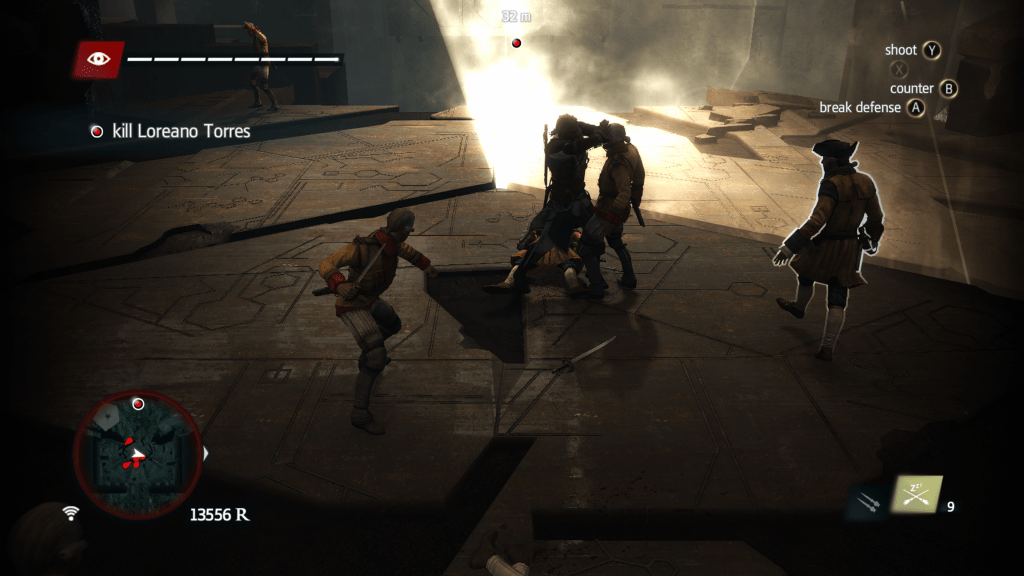
Rogue is the ninth AC title I have completed in the last twelve months, so I feel comfortable with my critique of this game. It changes the dynamic of the struggle between the Assassins and Templars; makes you sympathize with people you know you should hate. You find yourself doing things that you question, but in tasteful ways, such as hunting down an old friend only to kill them. Big kills in these games are usually such a prize, in Rogue they feel sometimes like emotional punishment.

Credit: Assassin’s Creed Rogue Remastered. Game clip by me. Infiltrating an enemy base.

Wonderful stealth sections populate Rogue. There were a few that didn’t really go my way, but I was never stuck forever on one part. There was always a way, and it was usually walking the line between patient stalker and opportunistic killer. I found leaning more on patience typically paid off, but there are moments that require you to adapt on the fly, which I love. I hate when a stealth game is just memorizing guard patterns or something like that, of course timing is crucial in any stealth game, but I like that Assassin’s Creed is more nuanced, also there’s sometimes a combat option should stealth totally fail.

I always love it when a game is difficult to put down. If a game can make me want to play for hours on end, or come right back to another session night after night, I’m a happy guy. Assassin’s Creed games seem to often have this effect on me, regardless of what era they’re from. I beat Origins in a week. Same for Rogue. I didn’t want to play anything else. The story gripped me, and the gameplay held me.

Assassin’s Creed: Rogue may not be a contender for best AC, but in my opinion it has far too negative of a reputation. I found it quite enjoyable, despite a few flaws and spots of mediocrity. If you like classic AC, or Black Flag style naval combat, or just quality stealth action games, try to find a copy of the Rogue remaster. You don’t have to be a huge AC geek like me, but it will greatly enhance your experience if you have played at least 3 & 4. 

Next, I plan on moving onto the game that dropped the same day as Rogue: Unity. Unity takes place during the French Revolution, and I’m excited to see how Shay Cormack’s story ties in. I believe I bought Unity when it launched, but only played it a little. Rogue will go into the archives, not that I didn’t have fun or more I could do. But for eight dollars it is hard to complain about any game let alone one as nice as AC: Rogue.

Credit: Assassin’s Creed Rogue Remastered. Screenshots by me.

Retro Review: Assassin’s Creed 4: Black Flag

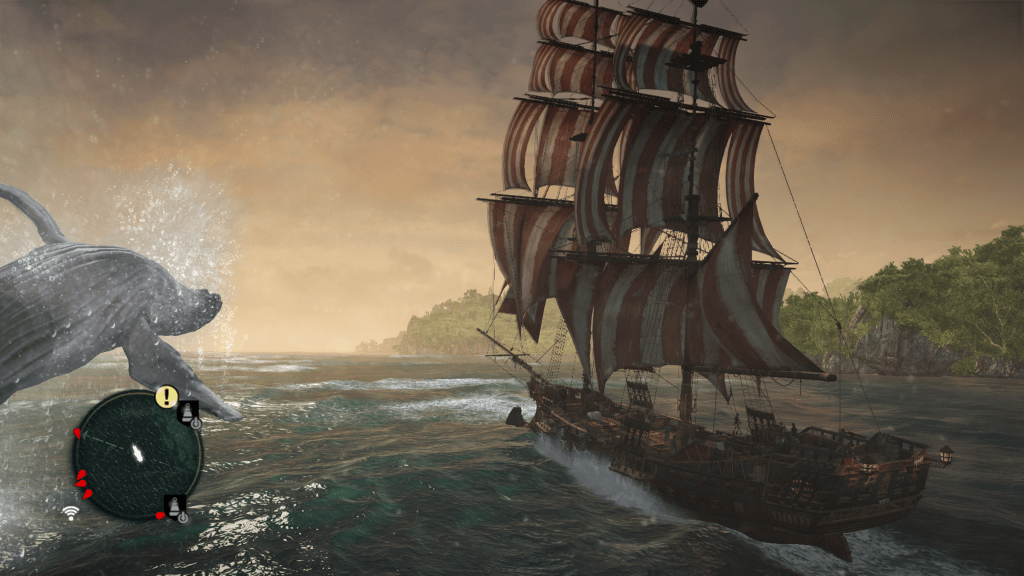
Credit: Assassin’s Creed 4: Black Flag. Screenshot by me. Sailing the open seas as a pirate never felt so fun.

My journey through the Assassin’s Creed series continues with 2013’s “Assassin’s Creed 4: Black Flag.” A major success for developers at Ubisoft at the time. I was able to play it then, and remember it as easily a favorite in the franchise. The second time around may not have been nearly as memorable, but still worth playing. Taking the Assassins into the Golden Age of Piracy in such a brave game is something that must be appreciated even a decade later.

Pirate turned Assassin Edward Kenway is our protagonist, and an excellent one. The way he evolves through the story is deeply inspiring. He goes from caring for absolutely nothing, but party and plunder, to a sophisticated anti-hero in our time with him. Sailing the Caribbean, you sail between ports such as islands, coves, and cities like Havana and Kingston on your ship, the Jackdaw. Both nautical and land environments are well designed. The dynamics of waves and weather must be battled while engaging in intense ship-to-ship combat.

This naval warfare is the focal point of AC4. Many people call this the best in the series, which is saying something because much of the stealth sections in this title are atrocious. In fact, a lot of what happens on land is generally disappointing. But wow, when you set out to sea things change. Learning the dance of navigating against different ships to score cannon hits you need to capitalize on weak points. Knowing to take out sails early to slow enemy movement and working from behind. It really gets your heart pumping, while also requiring you to employ masterful strategy.

Credit: Assassin’s Creed 4: Black Flag. Game clip by me. Easily besting a large ship.

My focus on this playthrough was almost solely on completing the story, not engaging in the extra activities that are typically the draw. When I reinstalled my game, I found in my old save file that I had played nearly sixty hours. In contrast, my recent campaign lasted a shade under twenty hours. That is how much extra treasure there is to be hunted in AC4. Whether you’re scouring for lore, retrying missions for sub-objectives, picking up collectibles, or relishing the naval combat, there is a ton of bonus fun to be had if you like the formula.

Assassin’s Creed 3 had optional naval combat missions in the same style. I’m so glad that Ubisoft took such a big risk on making an entire game out of it. A lot of people don’t even remember it in AC3, it would’ve been a miserable final resting place for such a cool concept. When you think about it in perspective of the titles that came before, Black Flag is so bold. They knew this franchise was a golden child, and they were willing to experiment with it. Recent entries like Valhalla, which have stepped outside precedent, suddenly make more sense when you think about the massive success of Black Flag.

If this game had better stealth sections, it would be perfect. Fleshing out cities more and utilizing them in a game with bigger scope, to me, would be a title that couldn’t be ignored. The naval combat is so slick, and the story wonderful. It even has a nice melee combat system. After playing so much of these games lately however, I really missed quality stealth. It isn’t completely devoid, indeed there are sections that are quite good. Just, I think I expect better from this franchise.

Graphically, I think this game still looks pretty good. The coolest thing is the waves. They move in a realistic fashion that makes sailing immersive. Sometimes the other scenery while sailing can be a bit boring, but when you’re in a port land is more interesting. Quality voice acting delivers the game with memorable weight. Sound design is solid, especially the music. One of the most important collectibles you’ll find on land are sea shanties for your crew to sing while at sea. This detail enriches the game so much. Everybody I’ve met that has played this game has at least a couple favorite shanties.

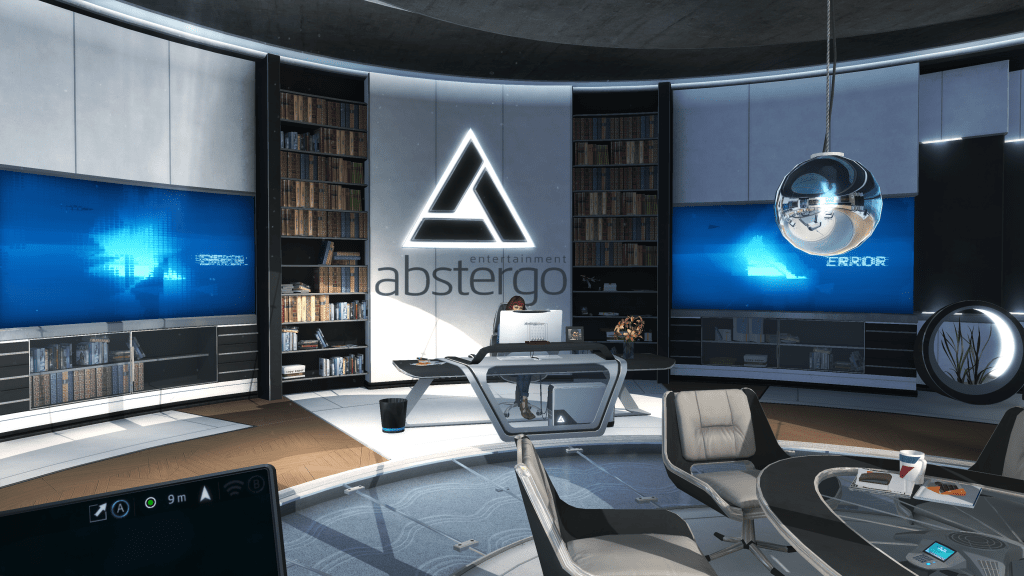
Credit: Assassin’s Creed 4: Black Flag. Screenshot by me. Between living the memories of pirate Edward Kenway, you navigate the evil modern day Abstergo as a developer.

I am happy I played this game again. It was fun to do a bit more of the naval combat, also to reacquaint myself with the story and characters. I remembered enjoying the likes of Edward Kenway and Captain Blackbeard so much, and now I remember why. It is a classic Assassin’s Creed title to be sure. Yet, I would say it is not my number one. Not that AC4 isn’t a contender, but it cannot claim the title on its story and naval combat alone.

Ubisoft has announced a lot of cuts lately, so I hope none of the upcoming Assassin’s Creed projects get the ax. Some people have said there should be a remake of Black Flag, but I don’t see that happening because they’re already hard at work on a game inspired by the naval combat of AC4 called Skull & Bones. The next AC we will see is Mirage, which takes place in 9th century Baghdad, and is due this year. Mirage will be a more intimate title, with a focus on stealth and parkour like Brotherhood. There are more titles coming down the line in diverse styles, however.

Assassin’s Creed 4: Black Flag breaks the mold for what a great AC game can be. We were so satisfied scampering across rooftops, we never considered what joy could lie beyond. Sometimes it takes a title like AC4 to shake up a series, so the developers can take some risks and learn something meaningful. If you play, be ready to want to uncover every last morsel of buried treasure like a true pirate. As you upgrade your gear, and ship, you’ll go from a fledgling wanna-be privateer to fearsome legend. Whether you’re a big Assassin’s Creed fan or not, you have to play this game at some point.

Credit: Assassin’s Creed 4: Black Flag. Screenshots by me.

Retro Review: Final Fantasy 9

About this time last year, I started playing Octopath Traveler, which kicked off a trend of myself playing turn-based JRPGs. Another game from Square Enix, Final Fantasy 9, had me excited. I played this game a little bit in 2000 when I was a kid and found it enchanting. The soundtrack stuck with me all through my years. So, I was happy to finally give it a true playthrough after finding out a remaster was released in 2019. The story is every bit as emotional as I remember, and while it isn’t a perfect game, it is certainly great.

The story of FF9 is a bit convoluted, and honestly witnessing it unfold is the greatest pleasure of the game. I really don’t want to spoil too much, because jumping right in is such a wonderful way to go. Masterful storytelling, that presents mature thought and emotion in a family-friendly palatable manner. Questions about love, home, duty, virtue and so much more are all packed into a tale that is fairly easily understood. Many of the characters are memorable and distinct. Each has their own motivations and desires, but they all work towards the same goal of uncovering the mysteries behind their existence, and saving the world from evil.

This game has a lot of terrific messages. There are a lot of tragic stories, which often find a way to inspire. It is pretty standard epic fantasy, emphatically so, even. FF9 uses a basic tool kit to paint a masterpiece. There were moments that got me pumped for the fight, gave me a big smile, or even brought a tear to my eye. One such moment came when a rusty knight I thought was boring and one dimensional finally had their big moment. Every turn of FF9 seems to be taken with care.

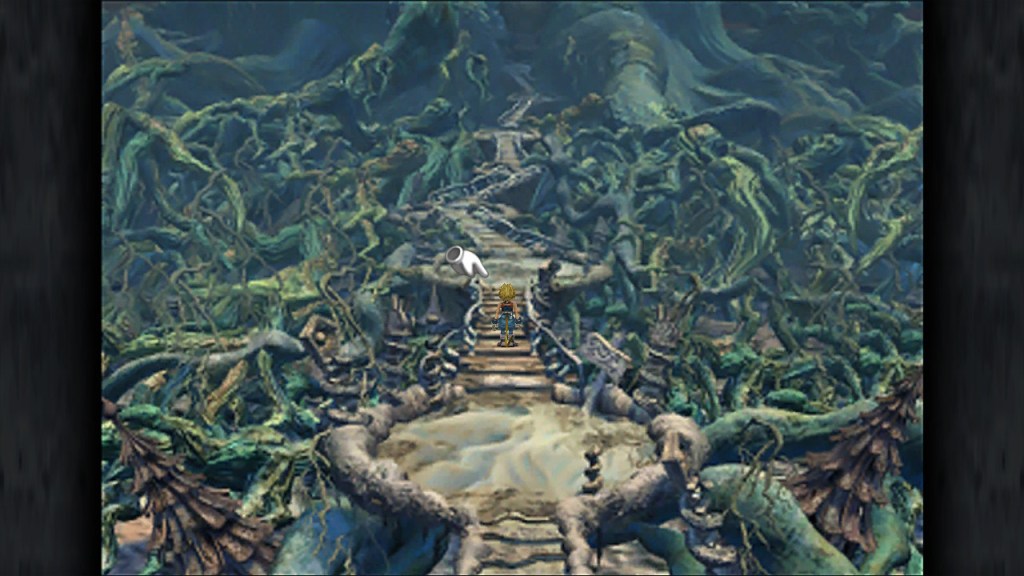
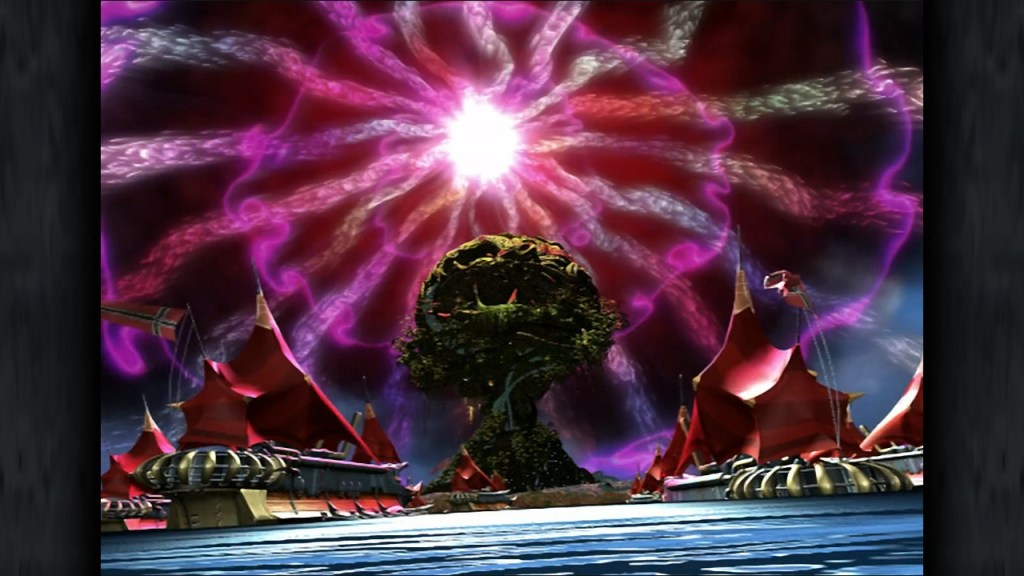
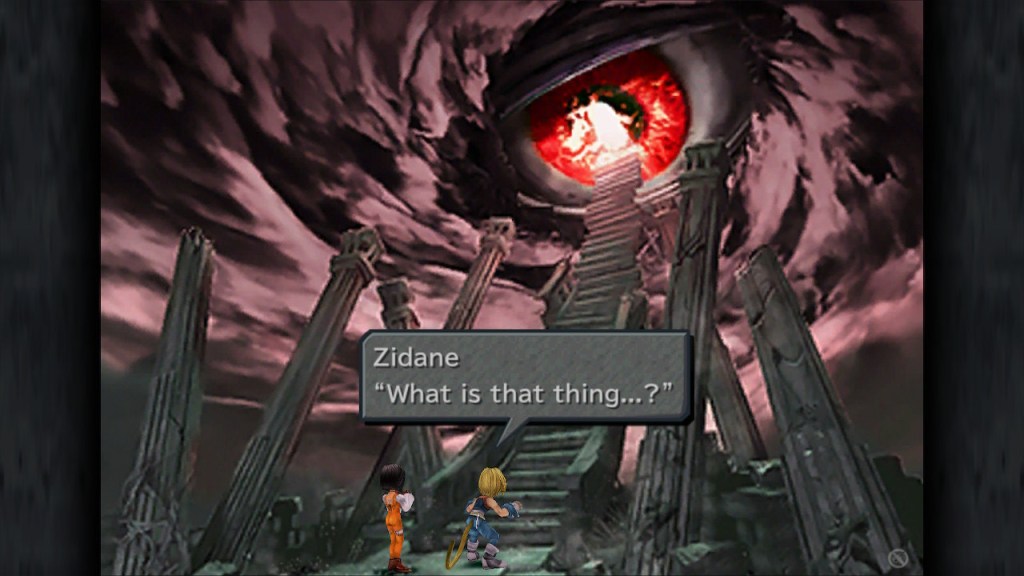
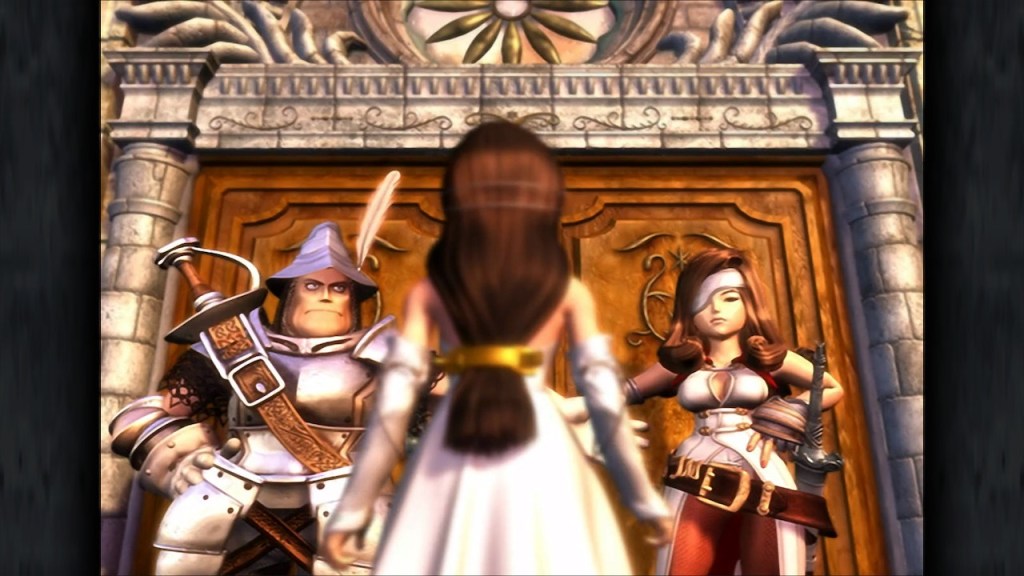
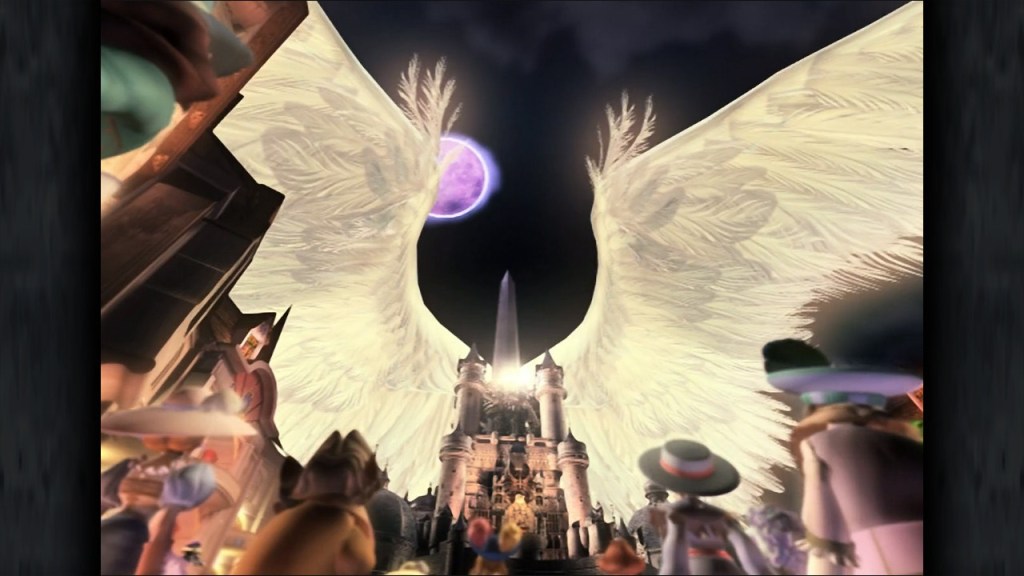
Right away I was charmed by FF9’s art style. Both visual and audio. The old school graphics still look interesting with their fantastical, watercolor-like appearance. You’ll find a very cartoonish, child friendly approach that greets the eyes and ears with a bouquet of treasures. The world has diverse races populating a vibrant, colorful world. The music is often so simple, yet works so well. It conveys the spirit of the game effectively, while setting tone and being extremely catchy. I have been humming tunes from this game to myself for over twenty years.

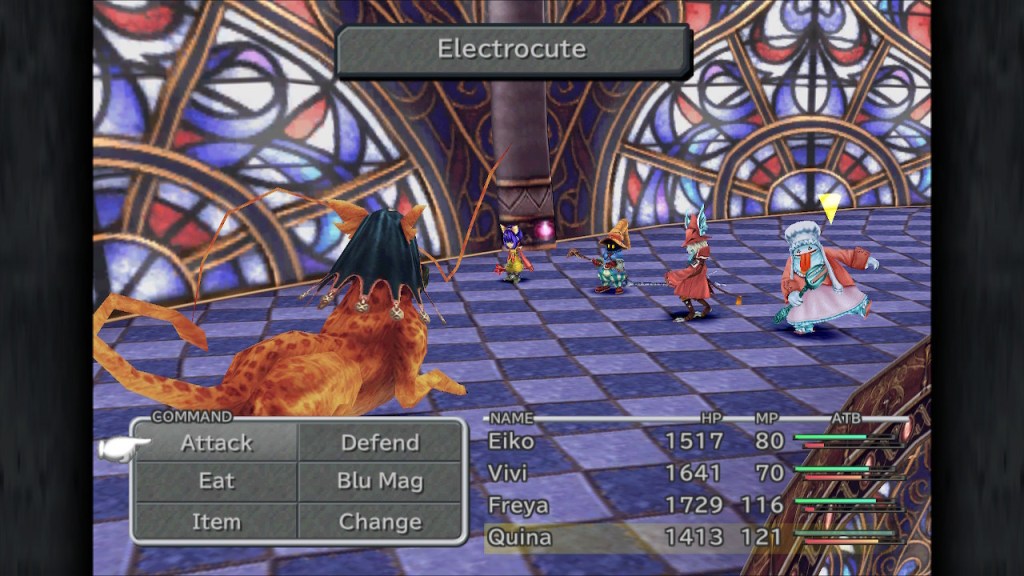
The combat system is fairly straightforward, with different characters presenting different opportunities on how to build your party. It is important not to leave anybody too low level, but I found there were certain people I clicked more with playing. There is a solid amount of grinding, which I had an alright time with for the most part. The remaster features a set of optional tools to aid your progression, which can be toggled on the fly. Party and damage boosts, playing the game in fast-motion, and toggling random encounters will make the grind much easier if you want the assistance.

If you read this blog regularly, you’ll know I played Final Fantasy 8 before this game. While I liked FF9 far more than the previous iteration, it tragically still suffers from the same heartbreak. The endgame. The fun and enjoyment of these games just comes to a screeching, grating halt during endgame. Awful puzzles, enemies with a bag of tricks that all seem to wipe your party in one turn, and difficulty that just skyrockets. I gave every encounter during the final dungeon a fair shot, but sadly ended up using the cheat menu for most of it. There was zero enjoyment during the final hours. Fortunately, the closure of the story brought it home in a way that I walked away with a smile, in the end.

I strongly encourage you to play with a guide. Just save yourself a lot of sanity and sadness. I hate when games make me use a guide. If I wanted somebody else to play the game for me, I would watch Twitch. I just think it is probably a sad feature of these older games perhaps is that they are less intuitive, or perhaps I am still a total JRPG newbie. Two things can be true, I suppose.

I bought this game on Nintendo Switch on sale for $10. Absolutely worth the price, if even just for the story. I had lots of fun up until endgame. And I still managed to find a way to beat it despite my struggles. For that price it is hard to call any game bad, let alone one that objectively is as nice as FF9. After this, I intend to play Final Fantasy 10 and 10-2, which I received on my Switch as a gift from my mother. I’m looking forward to seeing what impact the move from PlayStation 1 to PS2 made on the series. FF9 is one of the most beloved games in the series, but 10 is highly acclaimed as well.

If you enjoy role playing games, I would say give Final Fantasy 9 a chance. Take every opportunity to grind for experience, and do all the side stuff you can. I struggled with side quests, so I focused almost solely on main quest and grinding. That said, I played just over forty hours. A lot about this game is simply iconic. The black mages, the music, the unforgettable overall experience. While I think it has definitely shown its age, it is easy to see why FF9 has persisted as a favorite among players. I’m eager to get deeper into the series, and the genre itself.

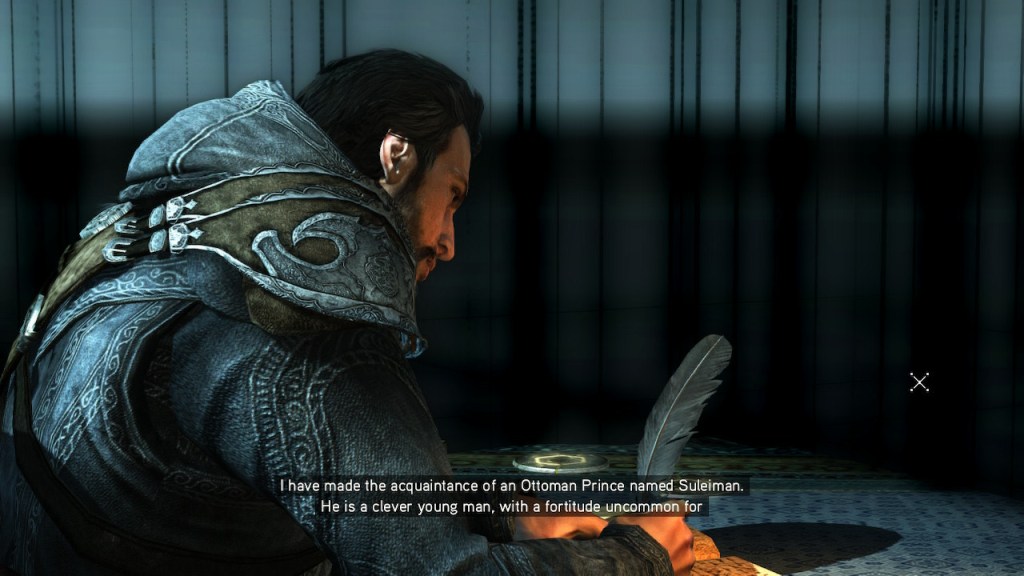
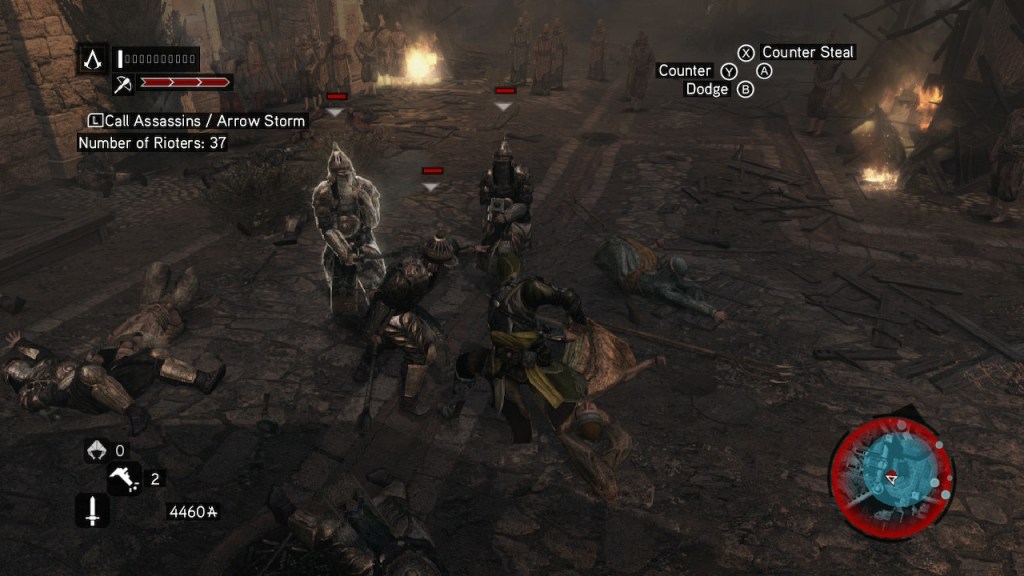
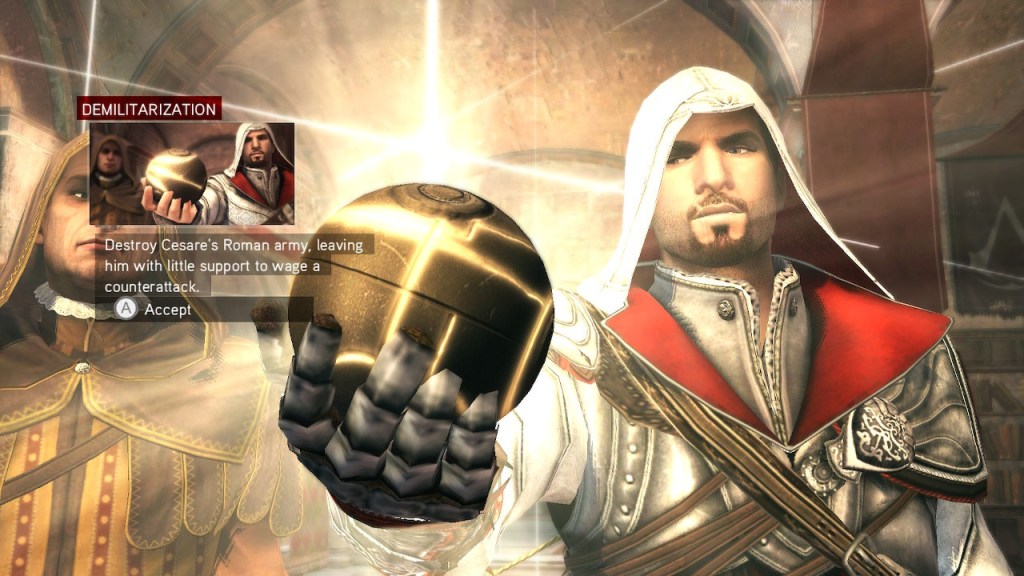
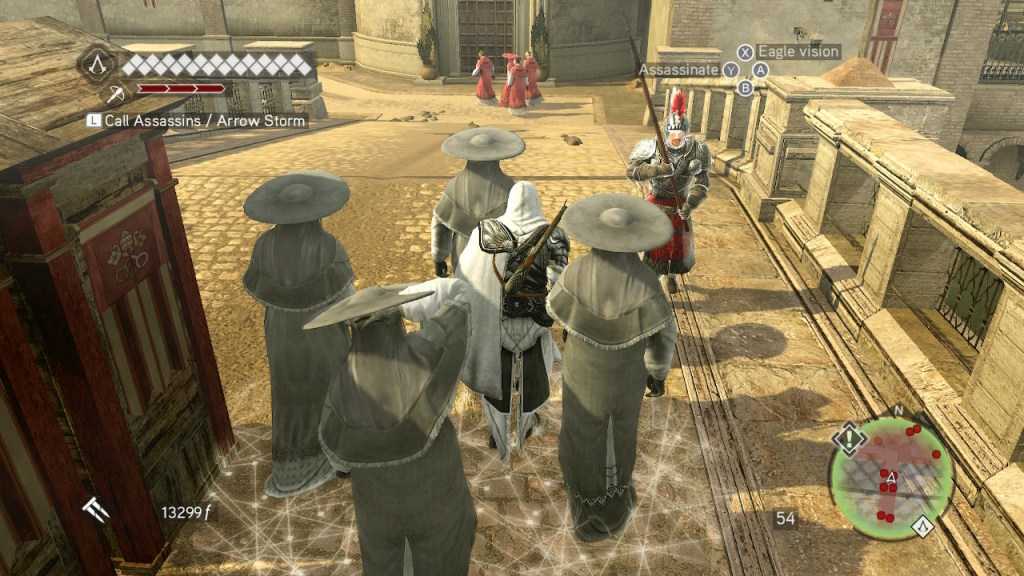
Retro Review: Assassin’s Creed Revelations (Ezio Collection Part 3/3)

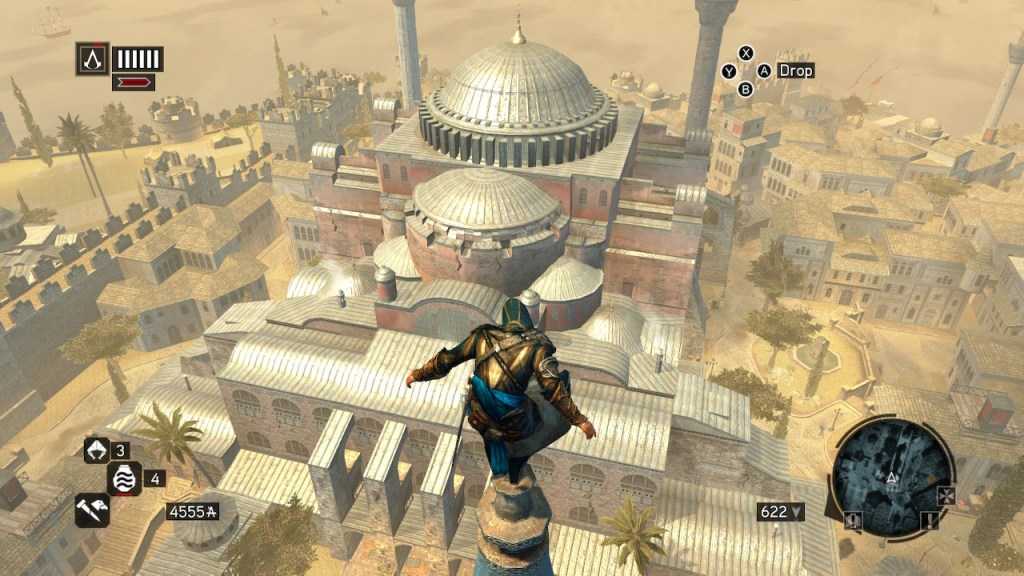
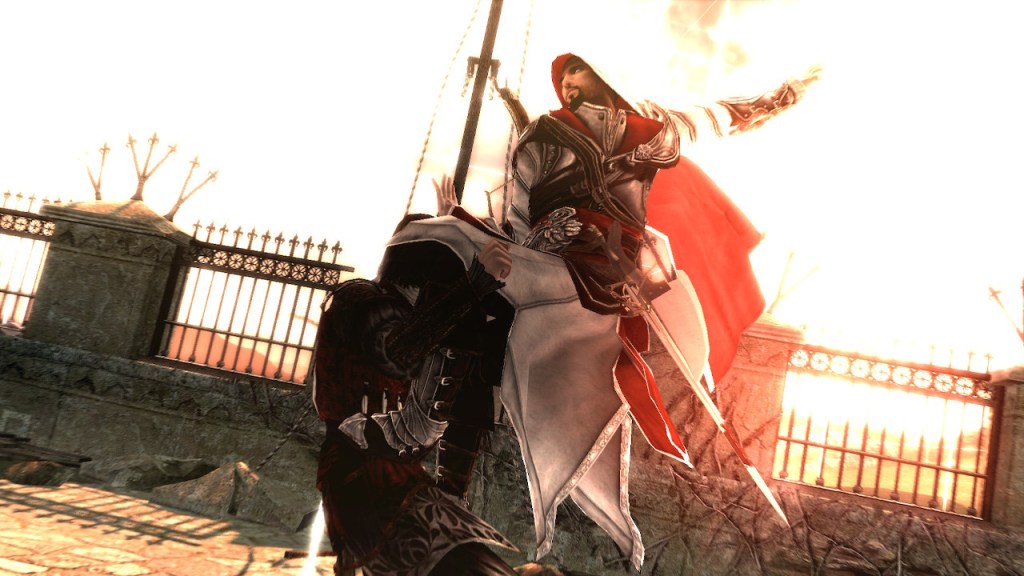
Credit: Assassin’s Creed Revelations. Screenshot by me. Master Assassin Ezio Auditore explores Istanbul in the early 1500’s.

After completing Assassin’s Creed Brotherhood, I was hungry for more stealth action in 2011’s follow-up: Assassin’s Creed Revelations. It is the final playable chapter in the Ezio Collection, which I bought on my Nintendo Switch shortly after the port was released in January. Since then, I have played all three chapters telling the story of master Assassin Ezio Auditore. Each has been wonderful, and in many ways an improvement over the predecessor. Revelations is no different. I had a fantastic time in my twenty hours with the game.

It is fascinating when, like me, you go through the Assassin’s Creed collection all at once. You see how framework was laid early on for big concepts that came into fruition later on. Like how the combat system has evolved. I also notice how true to itself the story has remained. I love jumping between modern day and ancient times, doing parkour across Istanbul rooftops, and assassinating my targets with skilled execution. But, all this would be quite dull if not for the skilled storytelling by Ubisoft in these games. Over the Ezio Collection, I have grown quite fond of Ezio, and I love to see him being more personal in this game.

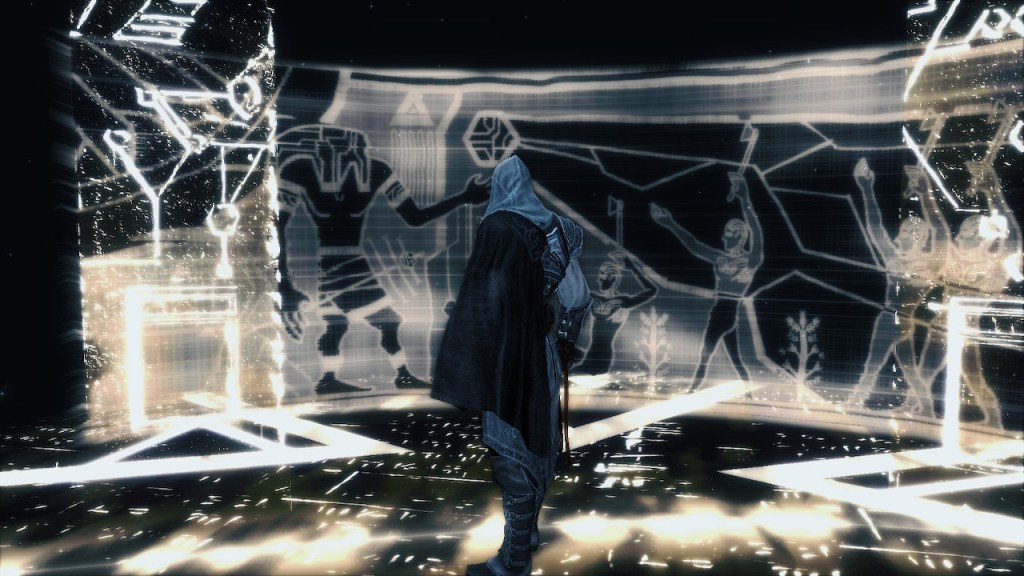
Ezio is in Constantinople between the years of 1511-1514 recovering lost keys to a hidden library of Crusade era master Assassin, and Assassin’s Creed 1 protagonist, Altaïr Ibn-LaʼAhad. While doing this, you raise the local assassin brotherhood to greater heights. Making interesting friends along the way. Revelations has characters that quickly make an impact, and continue to amuse. Again, seeing Ezio open up was a really satisfying way to close his tale. I was immensely happy not only with how this game carried on the story, but brought closure, or at least light to a lot of shadowy palaces that had been built by the first few games in the series.

Credit: Assassin’s Creed Revelations. Screenshot by me. Seeing Ezio grow late in life is inspiring.

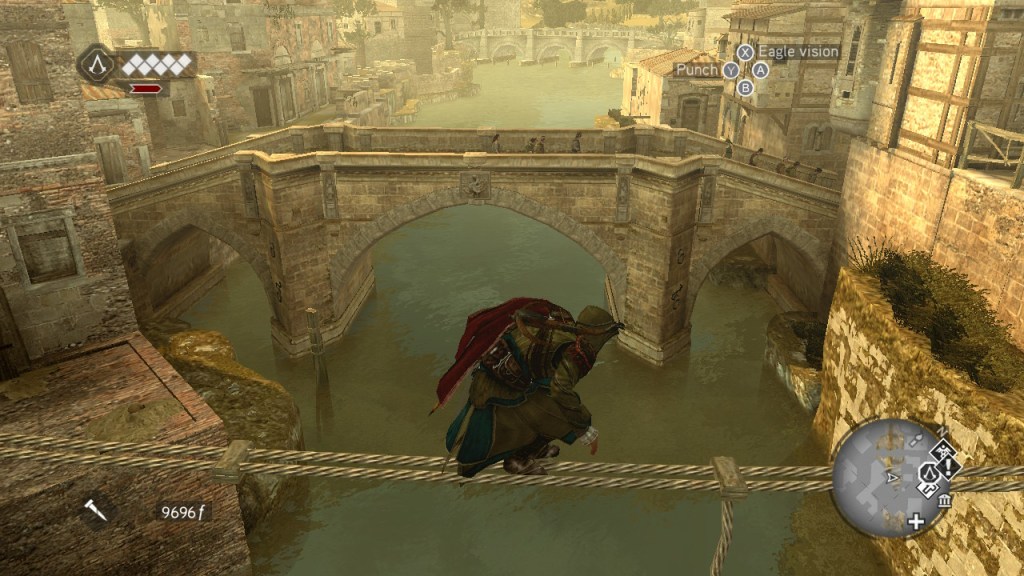
The graphics and sound design are better than previous installments. Music swells the moment. The textures feel richer, while the world is more technically coherent. With rich color, and detail. Parkour is intuitive with some more precise moves that will have you looking to practice. The freerun platforming is fluid for the most part, especially if you are calculated about your button inputs and maneuvers. There are platforming sections that I thought were a highlight of the game. Every so often you do a mission that requires puzzle solving and smart traversal, it left an imprint because parkour has always been a fan favorite part of these games.

Combat is a delight. For a game that focuses on stealth, it really has a solid combat system. Different enemy types bring varying degrees of threat. The Janissaries are the baddest of the bad, but even they can be defeated in small numbers, with clever use of tools. And do you ever have tools! The weapons in your arsenal are all valid somehow. I felt in earlier games a lot of weapons and tools were underutilized, but here basically anything has respectable uses. Bombs spice things up, I found a loadout that worked for me, and did not experiment with them much, but many seem interesting that I never even used.

Stealth lovers will adore this game. Even when things go badly, it is often salvageable. This is one thing that makes this an exceptional quality stealth game in my opinion. I love taking my time and delicately slipping inside an enemy base to silently execute my target, but one little mistake shouldn’t rob me of the entire mission. Who is to say I didn’t want a little fight? With this fun combat, why not? Every mission has a optional objective that often involves not killing or being seen, and some missions do forbid you from doing these things explicitly. How you navigate a crowd, position yourself next to your target, traverse the rooftops and alleyways, all these things make stealth very enjoyable.

Credit: Assassin’s Creed Revelations. Screenshot by me. Traversal is a treat.

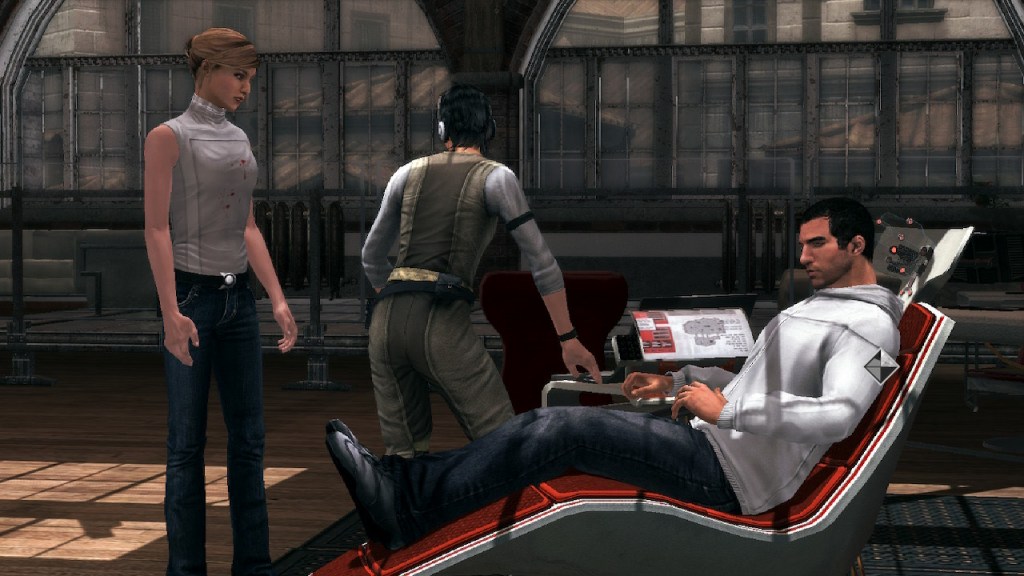
I have already reviewed Assassin’s Creed 3 on this blog, which is the next title. Desmond’s story ends there, and what a journey he has been on. He spends this entire game in a coma. Hooked up to the Animus, reliving the memories of Ezio while being monitored by Assassin pals. Ezio took a horrible shock at the end of Brotherhood, and it is something he doesn’t simply surmount in this game. It is a pain that will carry with him to his end. Desmond is so tragic, yet inspiring. Being thrown into the secret war as he was, and taking it all like a champ. He never loses sight of the goal, which is the very preservation of mankind.

I am still playing Valhalla on my Xbox Series X, and after Revelations I will begin AC4: Black Flag. A game I played upon release, and is one of my absolute favorite gaming memories. So, I’m beyond stoked to get back into it. I already own Black Flag and Rogue on Xbox, otherwise I would buy the Rebel Collection on Switch to play them both there. The eternal battle between Assassins and Templars rages on, shifting the sands of society. Ancient artifacts from a pre-human civilization contain indescribable power, and much blood is spilled over them.

The Ezio Collection played very well on my Switch. You can find it for $40 typically, but if you are a patient hunter I am sure you can find a good deal. For at least twenty solid hours per each of the three games, it is really a fair deal at full price to be honest. It can be found on most platforms. I had a stellar time with AC: Revelations. Stealth action at its finest. The upcoming Assassin’s Creed: Mirage is supposed to be an experience much like Revelations, and I for one am totally here for it. A game like this with modern technology and refinements could be next level. Mirage coming next year.

Credit: Assassin’s Creed Revelations. Screenshots by me.

Retro Review: Assassin’s Creed Brotherhood (Ezio Collection Part 2/3)

Credit: Assassin’s Creed Brotherhood. Screenshot by me. Looking out onto the city of Rome in Renaissance Italy.

Most of the Assassin’s Creed I’ve been playing lately has been the modern installments on my Xbox, but I am still chipping away at the Ezio Collection on my Nintendo Switch. Brotherhood capitalizes on everything Assassin’s Creed 2 did right, and delivers a much more complete package overall. It paves the way for moves all the way down the series. I see now why so many people hold this game as a favorite. It is a quintessential stealth action experience, and so much more rewarding than I imagined.

Assassin’s Creed: Brotherhood picks up exactly the moment where the previous game left off. Desmond Miles is exploring the memories of his Renaissance Italy ancestor Ezio Auditore. He is searching for ancient artifacts, and answers. AC2 ended with a brain melter of a twist, and the follow-up in the trilogy leaves only more questions. This is not entirely a bad thing. Developers at Ubisoft saw a definite future for the series, so I see the bricks of masterful world building here.

I read that most people beat this game in about fifteen to twenty hours. I played over twenty-five, because there is a ton of really fun side activities. You literally get paid to exist in this game, so why not spend as much time as possible doing side quests? These quests deliver everything you enjoy about the game. Stealth, platforming and action. No matter what activity you decide to do, it is worth it for the mere joy. You know, why we used to play games? Even after completing the main story, there is plenty of fun to be had yet.

Credit: Assassin’s Creed Brotherhood. Screenshot by me. This game is easier on the eyes than its predecessor.

Neglect burdened my mind as this game sat, often without being played, on my Switch for months as I focused on Assassin’s Creed Origins and Odyssey. I will officially be playing all the AC games for this blog at one point or another. I now own, or have reviewed every single one. I am stoked beyond belief to be on this journey. This is one of the biggest names in gaming, celebrating fifteen years since the original title. How far it has come since then, and there is still so much on the horizon, according to Ubisoft.

Recently announced were several new Assassin’s Creed titles. The next main title coming in 2023, titled “Assassin’s Creed Mirage.” Following young Basim, of AC Valhalla fame, in ancient Baghdad, it promises an experience much more like Brotherhood, and less like newer RPG style titles. 15-20 hour campaign with focus on stealth and parkour. Fans speak, Ubisoft listens. The only available criticism of recent AC games is that we miss the old games sometimes. Well, with Mirage I think we are going to get even more than we hoped. There will still be more AC titles in different styles including a modern RPG version set in feudal Japan flying under the name, “Codename Red.” Playing a ninja is something AC fans have been dreaming of for fifteen years.

Everything about AC Brotherhood is superior to AC2. The parkour is far more natural, and fluid, although still flawed. The combat is more exciting. The physical world is more coherent than that of AC2, mostly confining you to one sprawling city with countryside rather than several small ones you mostly never explore. The graphics are better, time of day having breathtaking impact on the appearance of the game, for example. The list goes on and on, Brotherhood is a magnificent game even if for no other reason than how much better it is of a sequel than the game that came before. And Assassin’s Creed 2 was no slouch! I am not dragging AC2, it is simply an objective fact that Brotherhood plays in a higher league.

Credit: Assassin’s Creed Brotherhood. Screenshot by me. Assassins and Templars fight to control “Objects of Power.” Mystical, powerful artifacts.

Assassin’s Creed Brotherhood is one of the best stealth games I have ever played. There have been better games that feature stealth, like AC Odyssey, but Brotherhood is a stealth game first, action game second. And there is no real role-playing game aspects. It is about sneaking across rooftops, silently isolating and neutralizing obstacles as you work toward your target, where you get in position then strike. The thrill of pulling your blade on a major target in this game is occasion to celebrate. The satisfaction of executing with grace made me hungry to keep playing with the next game in the Ezio Collection, “Revelations.”

You can see where Ubisoft made a lot of positive foundations with this game. The engaging side quests that offer rewards in both fun, and loot. The grandiosity of plot. Characters who are memorable regardless of whether they’re heroes or villains. I think if this is one of the developers inspirations for Mirage, we are in for the best stealth game in a very long time. I love Ezio Auditore, he is so noble yet incorrigible. He has insatiable flair, like a deadly flower twirling in the wind, torn from its roots. I cannot wait to see how his story turns out in the next game.

Based on the first two games in the Ezio Collection: AC2 and Brotherhood, this is a must play collection. I will give my final word when I beat Revelations, but at this point I am very pleased with what I have played so far. In the next game I just want more of what I got here, except with more answers and less questions. I know AC is an enigmatic series, but something has got to give. I think the title, “Revelations,” indicates I will get my wish. AC Brotherhood stands out as an exemplary stealth action title, and high marks as an Assassin’s Creed game as well. I am playing the Ezio Collection on Switch, but you can find it basically anywhere. Follow my blog for more gaming content, including lots more Assassin’s Creed reviews down the road.

Credit: Assassin’s Creed Brotherhood. Screenshots by me.
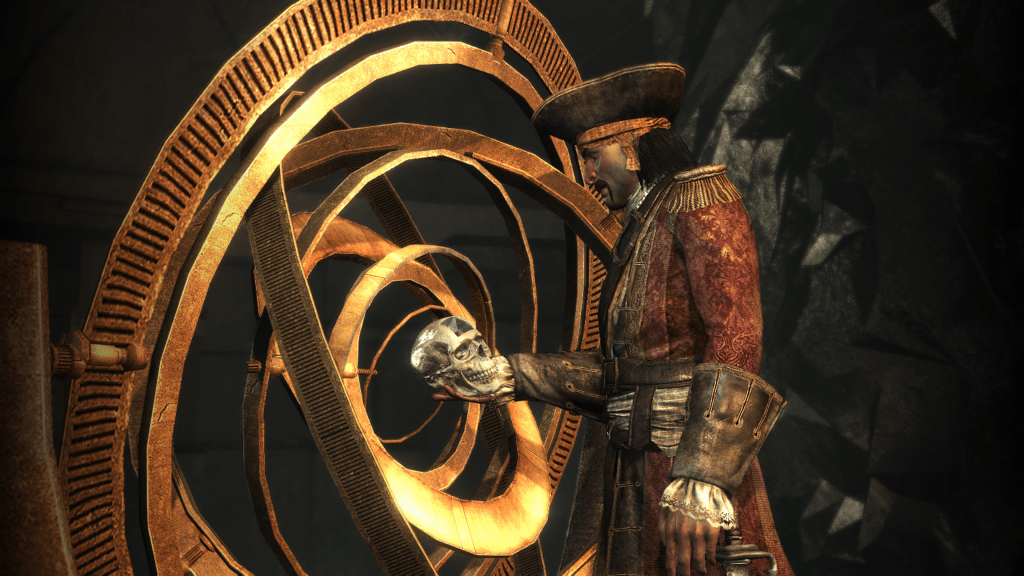
Retro Review: Assassin’s Creed 2 (Ezio Collection Part 1/3)

Credit: Assassin’s Creed 2. Screenshot by me. Sneaking up the fortifications into a heavily guarded compound.

The three Assassin’s Creed games featuring protagonist Ezio Auditore, AC:2, Brotherhood and Revelations, were released in a remastered bundle in 2016. This collection was ported to Nintendo Switch last February; I picked it up shortly after. Three classic games for $40, and I got it on sale even lower than that. With my fantastic experience playing other AC games, how can I turn down an offer such as this one? The first game in the Ezio Collection, Assassin’s Creed 2, shows a series getting legs beneath it and showing magnificent potential. Developers Ubisoft have given this series the royal treatment throughout its legacy.

Assassin’s Creed 2 follows two stories. One, Desmond Miles. Desmond was kidnapped and forced to live the memories of an ancestor, using a high-tech device in search of magic artifacts. After escaping, he uses another “animus” to go deeper into the memories of his ancestors and beat the evil forces to the punch. The memories he goes into next are those of Ezio Auditore, a Renaissance era Italian in a struggle between orders of Assassins and Templars. Both stories are interesting. The whole lore of these games is so fascinating, the parts influenced by real history and the made up bits.

AC2 is a game with a lot of grand ideas. Some pay out better than others. The story feels like that of a much longer game, in which we get to explore the people a little more intimately. I played over thirty hours, and there is a lot of side activities left to do. The parkour is more like fun platforming than fluid movement. You should always be thinking steps ahead when traversing. One wrong leap can be really unfortunate. This is fine, my bigger concern is the combat. Getting into fights is to be avoided, but far from torturous. Indeed, this is an earlier version of what ended up working great in later games. It is weirdly difficult to retrieve a weapon if you for some reason lose it.

Credit: Assassin’s Creed 2. Screenshot by me. One of the many interesting settings in AC2.

The Nintendo Switch was a wonderful way to play, whether docked or on-the-go. Although, I would recommend this game on whatever platform you prefer. I have yet to play Brotherhood and Revelations, so I can’t speak for the whole collection yet. The Ezio Collection also comes with two short films, Lineage and Embers, which bookend the three games. The remaster is a light one. It looks and runs nice, but the graphics do feel a bit dated as I play AC: Origins on my Xbox Series X. For a game from 2009, I feel like you could do a lot worse. The production value is there. Running around Venice at night during carnival season does prove to be quite a charming setting.

Pulling off a cool stealth section in this game is immensely satisfying. Whether weaving between dancing partners until you reach your target, leaping on a preacher in the middle of a sermon from high above, or however you end up taking out your target. The final kill is worth the buildup. From staging missions, to the meta of the assassination in question. There is always a scene of Ezio sharing the last moments of his target, and this has been a signature of the series. The last mission had me using every last one of my resources, besides the massive stack of cash I had acquired doing side content.

The sound design is on point. Music is sparse, but it is suiting. The environments feel alive. While I did say movement is not super fluid, there is a degree of skill that makes parkour much more enjoyable, and practical. You learn just the way to approach certain obstacles, you know when to exercise caution and slow down a little as you work a certain line, correct button use becomes more natural, these are the kinds of things you learn. You figure out how to engage certain enemies, or utilize certain weapons. Sometimes I felt like I had to cheese my way through, but the game is good at stopping that behavior.

Credit: Assassin’s Creed 2. Screenshot by me. Desmond is no longer alone in the sequel to the hit first game.

After beating AC2, I am excited for Brotherhood. I will start it almost immediately, I honestly doubt I will revisit AC2 anytime soon. Like I said, I am also playing AC: Origins on my Xbox, for one thing. Also, I would rather just move onto the next game than do the only other interesting thing left in AC2, which is collect the Animus Glitches. Fun little puzzles that are hidden in the world that if you find them all, you get some unique lore. The codex is also worth a read, if you skip it often when articles are introduced. Tons of information about landmarks, featuring some real sites and information.

Assassin’s Creed 2 set an amazing stage for the future of the series. With the success of the first game, Ubisoft knew they had something legendary on their hands. It’s clear they didn’t want to let down fans’ anticipations or expectations. The game was a blast, once I got the hang of combat and parkour. If you struggle early, I encourage you to persist. Thirty-some hours well spent. Lore, gameplay and setting are the big three things that I enjoy about it. Hanging out with Leonardo da Vinci and helping each other is neat.

Soon, I will finish Origins on my Xbox, moving onto Odyssey. I’m stoked for my Origins review, as I am finding it extraordinary. It is something to see how this series has evolved by playing games from the earliest, and most modern eras at the same time. They’ve just gotten better for the most part, in my opinion. I am thinking strongly about reviewing the entire series here, as I have started with the Assassin’s Creed 3 Remastered review in my Archives. For the price, the Ezio Collection seems to be an unavoidable deal. Brotherhood, then Revelations, coming soon.

Credit: Assassin’s Creed 2. Screenshots by me.
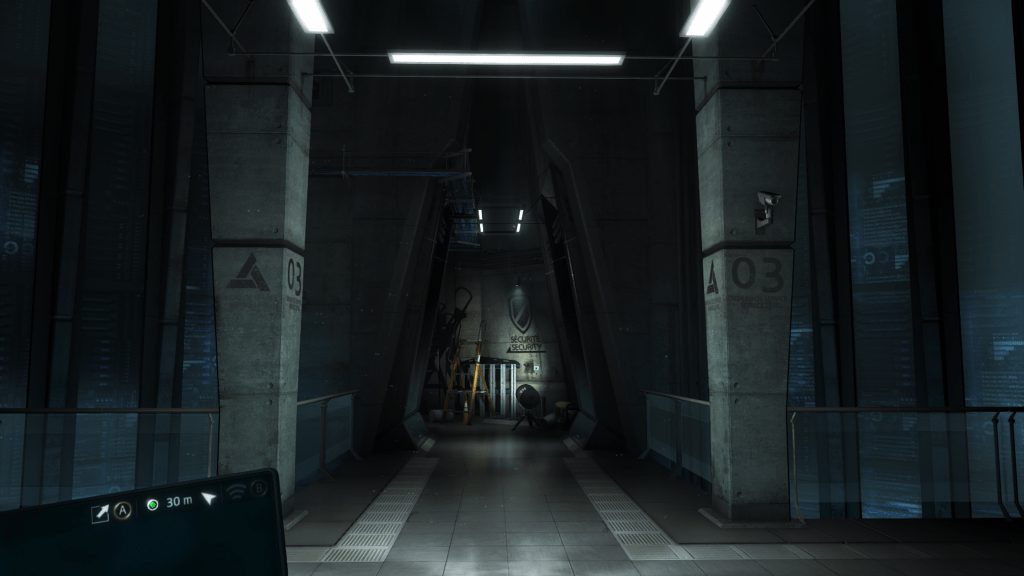
Retro Review: Final Fantasy 8 (2019 Remaster)

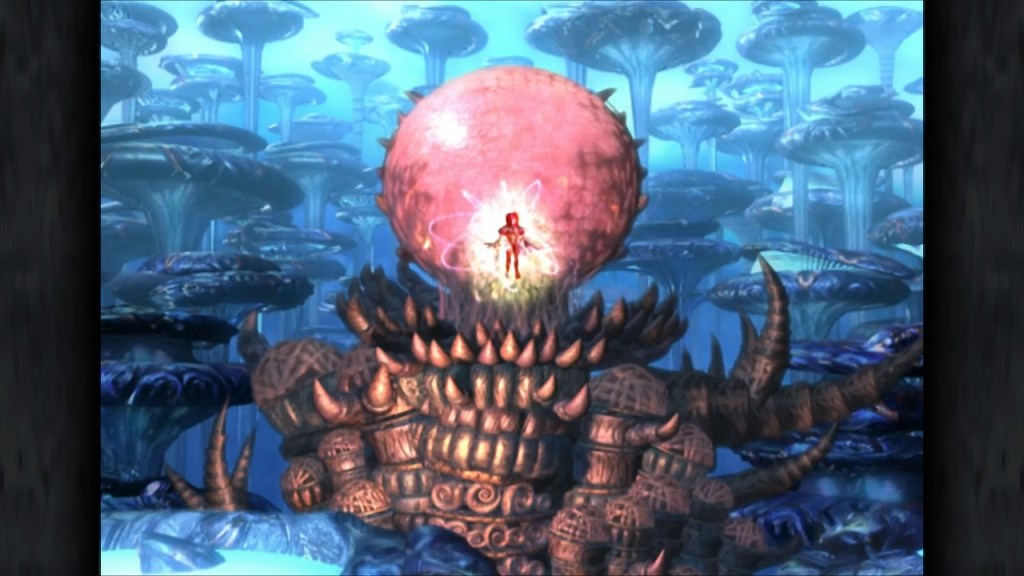
Credit: Final Fantasy 8. Screenshot by me. Picture from an in-game cinematic.

I first played Final Fantasy 8 when it released in 1999. I was only ten years old, and the complex JRPG was too much for my tiny brain to comprehend. Although, I did think it quite cool at the time. So, when I wanted a new turn-based RPG to play, I found the 2019 remaster on sale for $10. And after more than twenty years of gaming between then and now, I can tell you this game is every bit as inaccessible as it was when I was a child. The miraculous story telling does not save this convoluted mess from being just too off the mark to recommend.

The remaster, made in collaboration with Dotemu and Access Games, spruces up the visuals, making the graphics more sleek and prepped for HD. When FF8 came out, originally released by Squaresoft, it was top of the line graphics. The art style is interesting enough to entertain the eye most the time. I did not think the game was ugly, even being more than two decades old. There are a few other changes to the remaster. Quality of life upgrades like a 3x speed option, the ability to turn off random encounters and a mode that buffs you in combat.

Even with these buffs I had no interest in completing the final boss. What should be the pinnacle of the game in story and gameplay is actually a towering monument to this game’s failures. The game uses a combat system that adapts to your level, but these adaptations are extremely inconsistent and unhelpful. And what good is this system, if I still have to grind until there is absolutely nothing left to be gained?

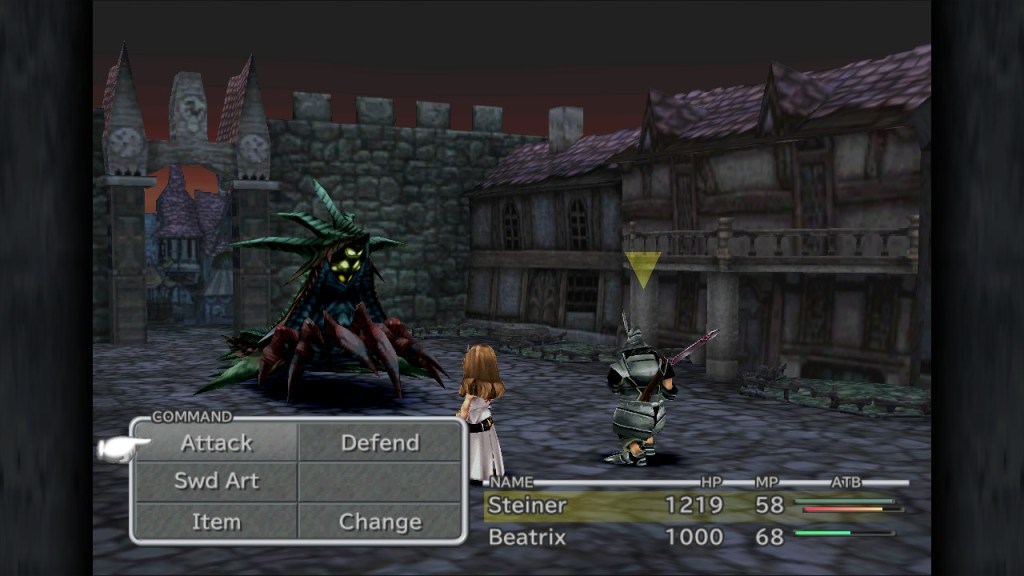
Credit: Final Fantasy 8. Game clip by me. Calling in a guardian to win the fight.

I used guides often, as finding out what to do next in FF8 can be hazy. Often resorting to walking up to every object in the room from every angle and mashing the ‘interact’ button until something happens. My guide showed me the correct way to complete the final boss, only to find that I don’t have the two very specific spells required to make this fight even remotely possible. There are super questionable mechanics throughout this game. The end boss just has features that boggle the mind as to why anybody would think this was fun.

Guides could only do so much without laying out every little detail of what to do, especially in a game designed to be highly open ended. The difficulty is raised so poorly. For almost the entire game, you can coast by on spamming your guardian spirits, something that wasn’t fun from the jump. And through being relegated to cheese tactics we are supposed to somehow gain not only an understanding, but an appreciation for how important it is to stack your characters as much as humanly possible. The game doesn’t make grinding appealing. It all seems like it is for nothing, until that one fight arrives where you can use that one random spell for max effect.

FF8 follows the exploits of a band of mercenaries, raised from youth for combat. Our heroes get hired out to support a rebellion against evil forces that seem faceless at first, but the situation becomes much more complicated and intricate as the tale proceeds. Squaresoft really flexed the story telling elements of their game building here. It is nearly worth playing just for the story. Nearly. There were a handful of fun fights in this whole game. Two of them didn’t come until the very end.

I’m not sure how this game ends. Which is a true tragedy, because I was really loving the story. The final part of this game just sucks all the joy out of the experience to a point where I feel like the closure of the plot could only be further insult. The first half of the game had some incredible plot dealing with issues like fascism. A beautiful love story unfolds as the game progresses. I suppose I will resort to watching a video of the ending of a game I played well over thirty hours, and I cannot think of anything sadder.

Credit; Final Fantasy 8. Screenshot by me. My favorite battle in the game.

I love turn-based RPGs, and I deeply wanted to love FF8. I had such high hopes that I would come back to this game after twenty years and finally appreciate its glory. This just isn’t how it went down. All the way up to the end boss I was in denial. The more I leaned on the remaster enhancements like 3x speed and combat buffs to get me through boring phases, the more I knew I wasn’t really enjoying myself. These upgrades are the only way I could potentially go back and beat the final boss, but even then it would be such a slog it doesn’t seem remotely worthwhile.

I also bought Final Fantasy 9 on sale, which I dabbled with as a kid as well. I’m again hoping for great things, I won’t trash the follow-up just because the predecessor was ugly and weak. That may be a while down the road however, my next turn-based RPG will be something away from the Final Fantasy series just to keep things fresh. I recently bought both South Park: Stick of Truth and Dragon Quest 11 on sale so I will likely give one of those a shot for a time.

It pains me to say I cannot suggest Final Fantasy 8. While if you like masterfully crafted stories you may find some enjoyment, there are so many flaws in this game and they feel relentless. The difficulty curve, the atrocious quick-time events, the sloppy combat system, there is so much chaining FF8 down and keeping it from being special. I think if they ever give it the full remake treatment like they are Final Fantasy 7, it could definitely breath some new life into the corpse. I just think it unlikely. If you’re looking for a top tier turn-based RPG, go into my Archives and check out the Octopath Traveler review.

Credit: Final Fantasy 8. Screenshots by me.

Retro Review: Bulletstorm (2019 “Duke of Switch” Edition)

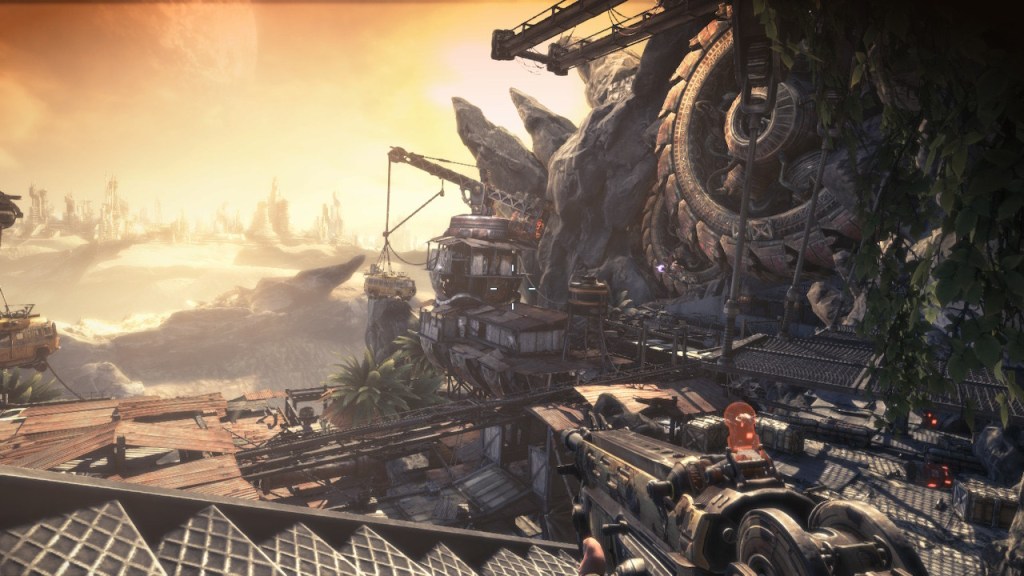
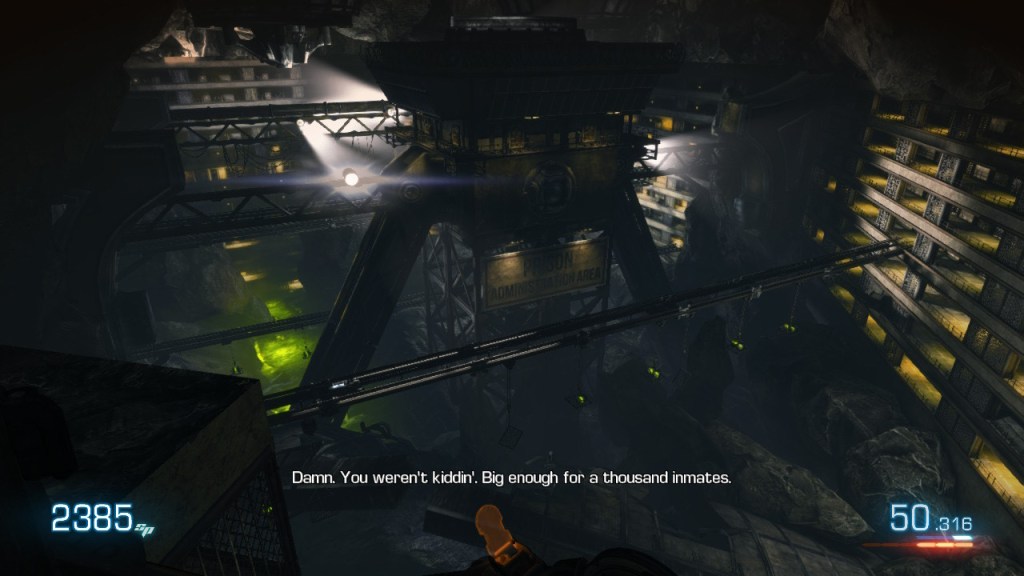
Credit: Bulletstorm. Screenshot by me. Taking in the view after a checkpoint.

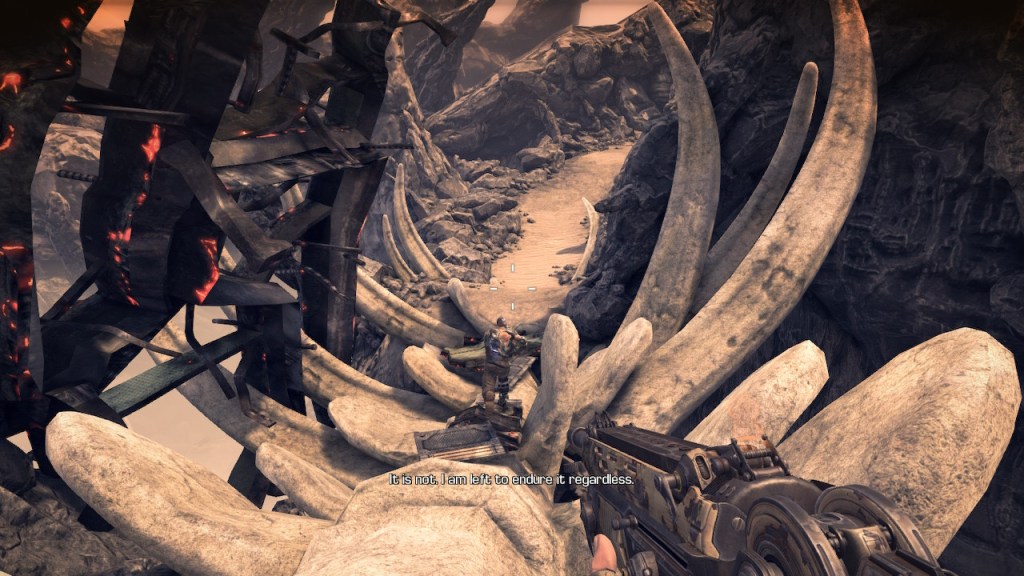
Happy New Year! I picked up several games in the Nintendo eShop “Black Friday Sale.” One of those is the 2011 first-person shooter Bulletstorm, from Polish developer People Can Fly in collaboration with Epic Games. Bulletstorm is a wildly over-the-top sci-fi tale of a disgraced special forces team, who get stranded on an alien planet overrun with maniacs, while trying to pursue the general responsible for making them unknowingly do atrocious things. I got the game for less than $10 on my Switch, and there are remasters available on PlayStation 4, Xbox One and PC.

The story is full of extremely crude humor and is weak overall. The plot is not what keeps you playing Bulletstorm. That would be the gameplay. To buy ammo and upgrades for your weapons at checkpoints, you will need to execute sophisticated and skilled kills on your enemies. You get points for doing things like killing two enemies in one pull of the trigger, headshots, kills while under the influence, all kinds of things. You can spend those points at shops.

This is an enormously satisfying gameplay loop. You are discovering new ways to kill all the way through the end of the game. After completing the main story you unlock “Overkill Mode,” where you can have all the guns from the beginning, instead of only three at a time and picking them up as you progress. I’m sure I will come back to this mode at some point and find even more ways to take out enemies.

Credit: Bulletstorm. Game clip by me. A segment from a first attempt at a brutal endgame sequence.

This game is not without its flaws. They are many and some troubling. In particular, for me, is the sniping. The sniper rifle is so jank, an absolute torture to use, and it seems like the developers realize this because it is the only gun that has sections where you are literally forced to use it. There are quite a bit of bugs, especially for a remaster. The lack of a jump button hurts more than you might think. You are often forced to scale obstacles, but the command, and point of interaction for these obstacles are often inconsistent. Some enemies are less fun to fight.

The Nintendo Switch, “Duke of Switch” edition is the same remaster with one fairly interesting bonus: you can swap out your character for Duke Nukem at anytime. Everything else in the game is the same except Duke Nukem is now swapped lives with Grayson Hunt and trying to get through the events of Bulletstorm, with unique and often hilarious voice lines performed by Jon St John. It may seem like a minor boon, but as I said the story and humor of the game itself is a bit stale, so being able to swap in Duke perks up the experience a bit.

This remaster looks wonderful. Environments are interesting, crisp and filled with lethal treasures. From giant cacti to kick enemies into, to grand waterfalls and cool sci-fi tech. The guns look cool, and there are a good amount of them that all do different things. I particularly enjoyed the pistol, which has an alternate fire that shoots a firework. Some animations were a bit odd, and levels do become a little repetitive. There is not much to be said for the soundtrack, battle and cinematic music is solid, just not particularly memorable.

I beat the campaign in slightly over ten hours. This felt like enough. I honestly believe it was dragging on by the end due to the nature of the story becoming tiresome. It was plenty of time to get satisfaction out of the combat. It gave me time to be creative, while also peppering in more scripted sequences. The more heavily scripted the sequence, however, the more hit or miss it tended to be. At times this felt more like a situation where I was being forced to endure the game, and less responsible for my own fate based on my skill and creativity. As I said before, the Overkill Mode does spice things up enough to make me interested in playing through this again, even if only somewhat.

Credit: Bulletstorm. Game clip by me. Early gameplay. You see the “leash” used here.

Throwing things around is a key mechanic in this game. Whether mega kicking enemies or explosives away, whipping them at yourself or in the air with the “leash,” or sliding endlessly until you hit an enemy and send them flying, shaking up the scene in Bulletstorm is the key to victory. The game insists you be ruthless. Your ability to maximize your score, while also balancing your own health and managing enemies will determine your triumph or defeat. I only really got stuck on a few parts, excluding the agonizing sniper sections. Movement is helpful, but cover is better and should be your first choice, unless you’re really feeling ace this battle.

Bulletstorm is a neat game that is worth playing. I just wouldn’t pay too much for the experience, as it is deeply flawed. I’m glad it got the remaster treatment, as I played this when it initially came out and enjoyed it then as well. I slogged through the low points then the same way I did now, by being so rewarded by the high points. It is campy, simple fun that gives you virtually everything you could want from an FPS. Even if just an average game overall. There are so many gameplay options, and they were smart to focus on the mechanics for a game of this type.

I would say if you like first-person shooters that don’t take themselves too seriously, try to find this one on sale. It will be a similar experience whichever platform you enjoy them on. I even liked the Switch version, which again, comes with the Duke Nukem mod. The remaster on other platforms is called the “Full Clip” edition. I know I was rather critical of this game, but don’t let that discourage you from finding Bulletstorm for a good price somewhere.

Credit: Bulletstorm. Screenshots by me.
Retro Review: BioShock (2016 Remaster)

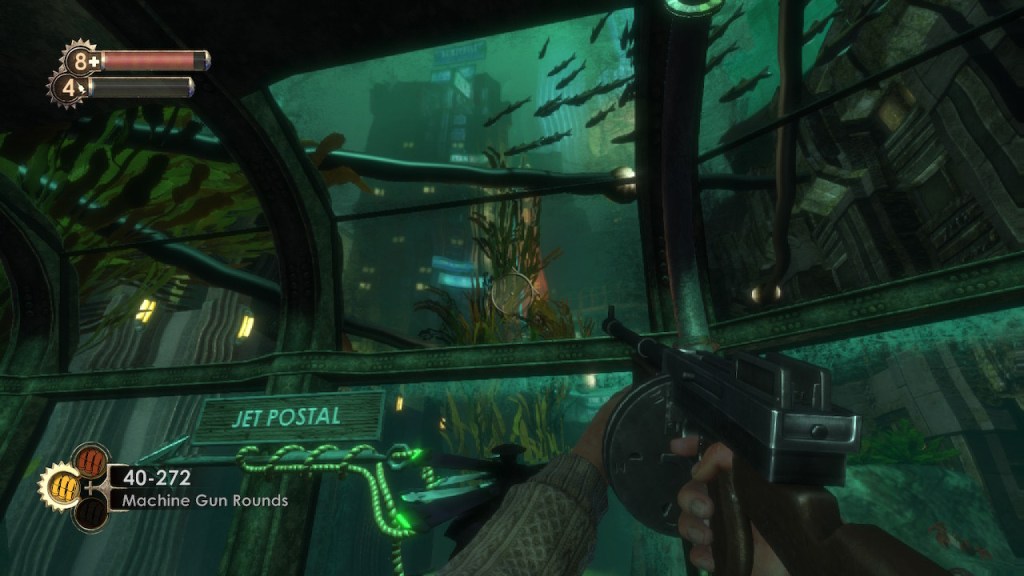
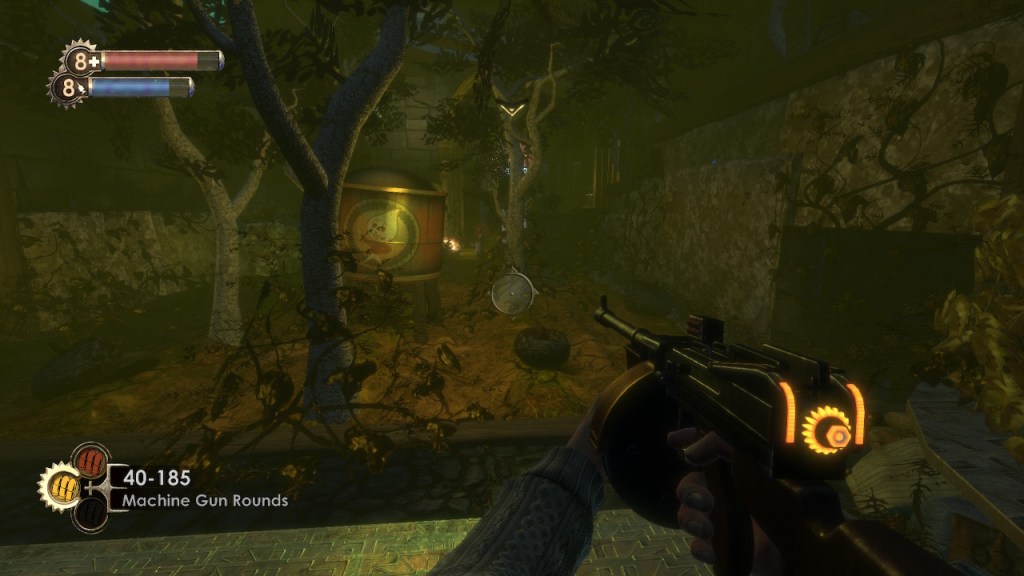
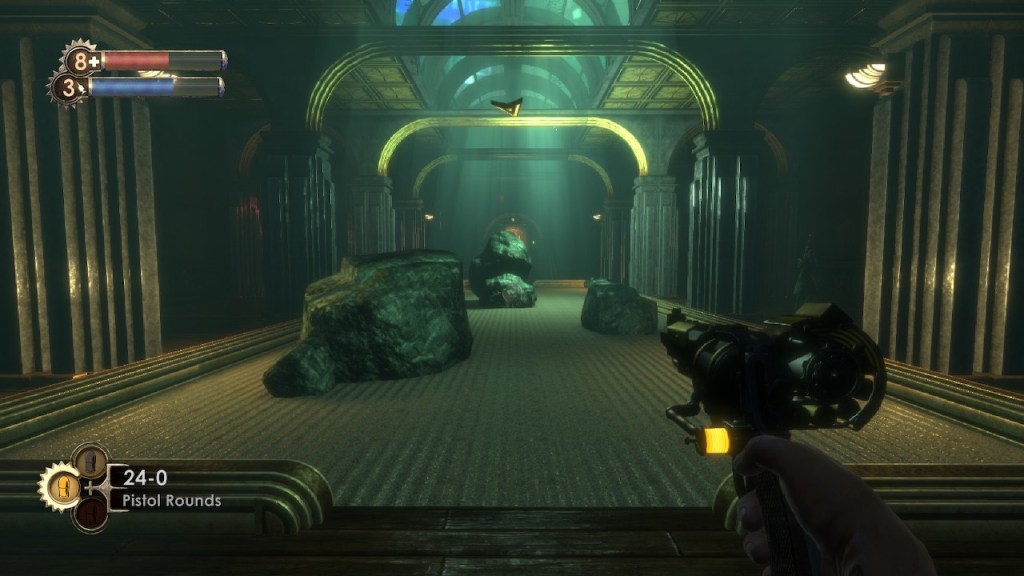
Credit: BioShock. Screenshot by me. The underwater city of Rapture makes for a breathtaking setting in this FPS/RPG hybrid.

BioShock was a game I bought when it first came out. There was a lot of hype around this game. I remember loving it enough to play through twice to get both endings and on different difficulties. It was unlike anything I had ever played, and playing the remaster on my Nintendo Switch reminded me how great this game is to this day.

Initially developed by 2K Australia and 2K Boston, BioShock was released in 2007 to critical acclaim. In 2016 a remastered BioShock trilogy was released by Blind Squirrel Games. The game blended RPG-like elements into a first-person shooter. It is about an Ayn Rand inspired dystopian city under the ocean away from society, and the player finding themselves there dealing with a crumbling gilded cage where power is everything, and economics runs completely unchecked.

There is a tremendous attention to detail in BioShock. The way the plot is laid out, introduced and enhanced by optional diaries about the world, the balancing of combat, the constant trickling in of tougher enemies. It often appears there is no aspect of the game that hasn’t been carefully thought out. The remaster comes with director’s commentary, from which you can learn many of the concepts were well established early, but they were making adjustments up to the final moments before release. Never resting on their laurels, development was a constant process of improvement, it seemed.

What the player is rewarded with is a game whose impact is undeniable. Without revealing plot details, I will say the story is one that will stick with you, as it has with me. There are phrases and scenes that are unforgettable. The blending of RPG and FPS is something which has really taken off since this game, one of my favorite games, Borderlands, included. There are other striking Borderlands parallels: the importance of vending machines, economics run amuck as a theme and being 2K games are all similarities. RPG elements such as upgradeable action skills and passive abilities, player choice having an impact on game outcome, diversity of player build and choice to name a few influences from role-playing games. According to the director’s commentary, the goal was to make an enhanced FPS, not a diluted RPG.

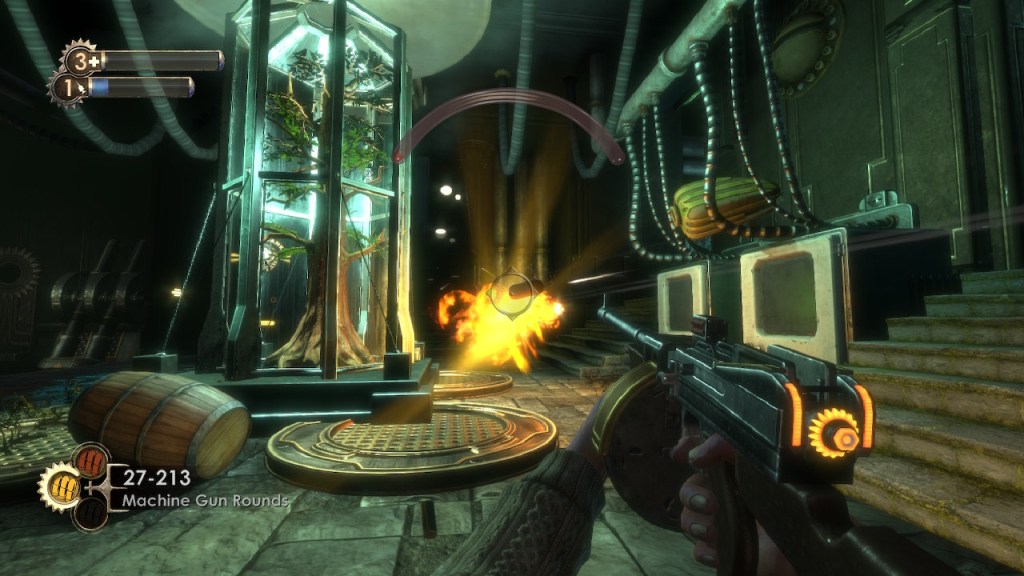
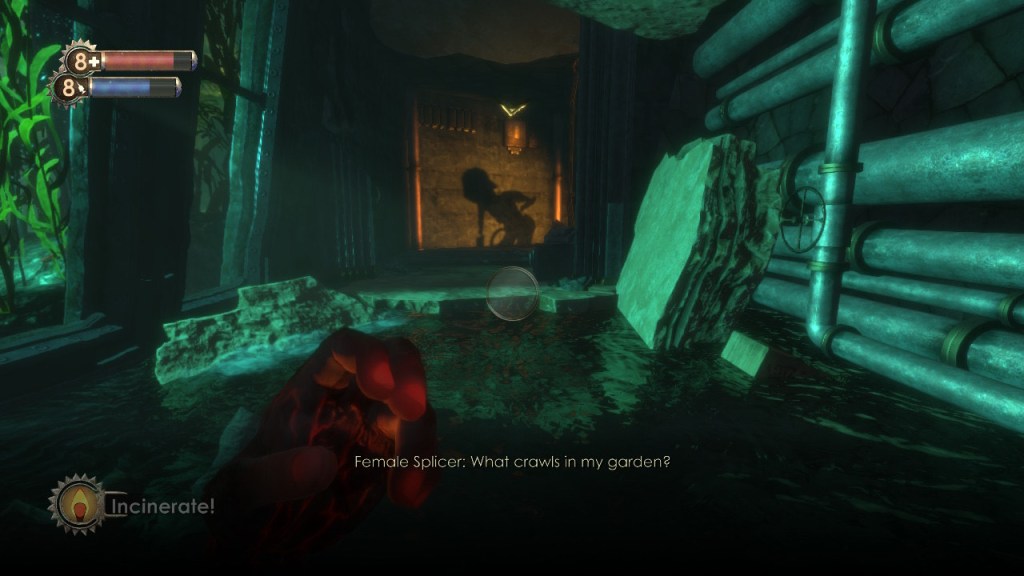
Credit: BioShock. Screenshot by me. Using one of my interchangeable powers, Hypnotize Big Daddy, to get this brute to come to my aid in battle.
The atmosphere of 1950’s inspired decorations, grandiose architecture, and the omnipresent reminders that you are leagues under the sea in a horrifying, decaying dystopia wherein human genetic splicing has ruined the population, which is honestly the least of some of the tragedies of the city, Rapture.

When I say Rapture is “horrifying,” I couldn’t pick a better term. It is fair to call this game horror adjacent. The themes are very mature, involve children being killed and commodified, there is body horror of modifying yourself to produce electricity or to have an insect swarm living in your hand, for example. The themes aren’t the only thing giving this game a loose horror tag. The gameplay dynamic involves careful resource management on any difficulty. Health is taken quickly. The game is often dark. There are numerous things that make me say this game is touching on survival horror, while not going the whole nine yards in the genre.

Visually, this game was top notch when it came out. The remaster does it justice, and there is a recent rumor of a remaster update coming with ray-tracing. Seeing this game in HD is spectacular. Rapture comes alive. So many times, I found myself just admiring the scenery. I took far more screenshots and videos than I will post here, just for personal memories. The voice acting is executed well, and sound design is immersive.

The game took me well over fifteen, even twenty hours to beat. I was a bit of a completionist. I left no level without fully exploring it, and doing all the side stuff I could. You may beat it in significantly less time on an easier difficulty, or just charging through the game. I played on Normal, the second of four difficulties. So, it may even take you longer if you play on Hard or Survivor.

Credit: BioShock. Game clip by me. Fighting an acrobatic enemy.
No matter what difficulty you play on, I suggest saving as often as possible. You can do it from the pause menu at any time, and you’ll save a lot of heartache this way. The only thing you lose when you die is that you must go to the nearest respawn point, and whatever you spent fighting the thing that killed you is lost, the latter of which turns out to be taxing.

One thing that is neat about BioShock is that there really is no useless weapon. Even the melee weapon has its uses, not the least of which is resource management. The only weapon I will say I hardly used was the Chemical Thrower. All guns have multiple ammo types, and even this weapon has at least one useful type. The Trap Bolts on the Crossbow are also tricky, but do a lot of damage if you can foresee an ambush.

I would recommend this game to anyone that wants to experience a true classic FPS. BioShock is a piece of gaming history, I don’t think anybody can deny that as a fact. It took so many bold steps, and the developers fought for those steps. I came to expect so much more from an FPS after this game. More story, diversity of experience, risks, atmosphere and just overall resonance.

It was both nostalgic and fun to visit Rapture again. There were certain environments I remembered vivid details of, but the world in this game is so rich you could play a dozen times and still appreciate parts. I can’t wait to explore the next two games in the collection, which I have never played before, but have heard nothing but top-shelf comments about. Rapture is such an interesting place, I’m glad the second game brings us back for more stories to be told. Then, the third game, BioShock Infinite, tells an original story in a city in the sky.

Credit: BioShock. Screenshots by me.