My previous review was Ubisoft’s Assassin’s Creed: Rogue, which was released on the exact same day as Unity in 2014, just on previous generation consoles. Releasing two titles on the same day may be why Unity struggles as much as it does. My attempts to enjoy it were often fettered by poor mechanics, and an overall experience that deteriorated over the game’s roughly eighteen hours. What started as cheery, wide-eyed optimism eventually turned to loathing.
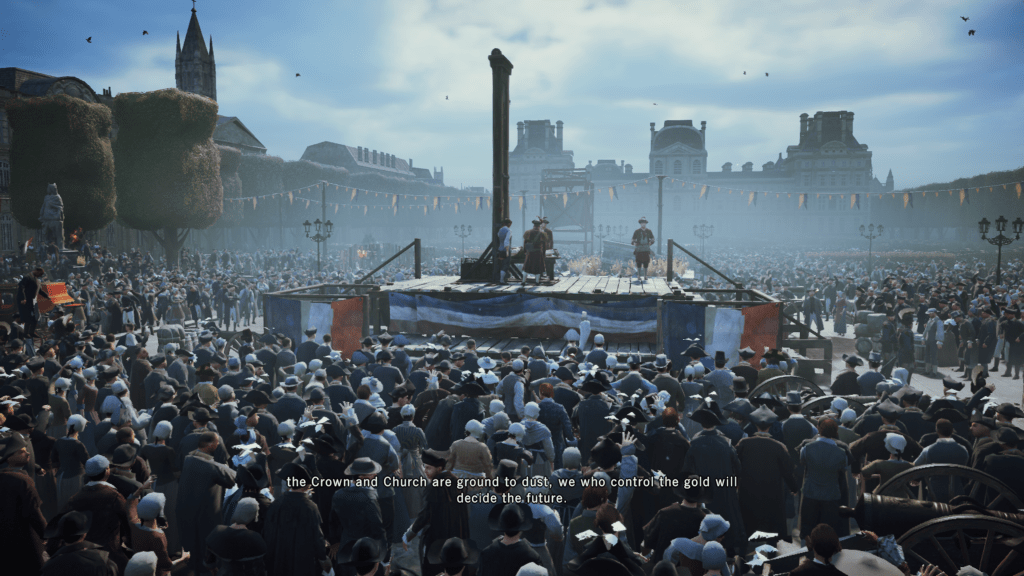
Not everything in this game is so rotten. Assassin’s Creed is such a strong series it would be truly unbelievable for a game to be all bad. The parts I liked the most were the intersections with real history. AC: Unity takes place over the course of the French Revolution, which has always been fascinating to me. I studied it a bit in one class at university, and I saw a lot of familiar names, dates, etcetera. It makes for such a wild backdrop to a game.
The revolution was a brutal thing. The extreme circumstances almost seem to overshadow the story of young Assassin Arno Victor Dorian, and his own quest for revenge. That is, until you realize they are inextricable. The struggle between Assassin and Templar blazes on in Unity, with the main characters having very personal motivations for their actions throughout the game. These games are known for their twists, so I don’t want to spoil too much, but honestly this title didn’t seem to make a grand impact on the AC universe.
For a game that is almost a decade old, it still looks alright. Some things feel a little more dated, but there are some more eye-catching spots. Such as the interiors of some buildings; especially places like the Palace at Versailles, or your headquarters. I thought a lot of the fashion choices were cool. Playing on the Xbox Series X it ran fairly smoothly, I noticed in the description that newer consoles get an FPS boost.
Unity introduces new dynamics to the familiar parkour system, meant to streamline. A lot of these work alright in theory, but horribly in execution. A system that seems to want to cut down unwanted leaping only exacerbates every issue that AC parkour has historically. Spending way too long trying to perform the simplest task, and being forced to go about it in such a ridiculous way that you end up drawing attention to yourself. Changes to the systems are welcome, but these changes are frequently more stifling than anything.
Combat feels shockingly unresponsive. Arno is glacially slow, never doing what you mean to be doing when you mean to be doing it, the whole thing just feels sloppy. Sometimes, the animation the enemy was using didn’t line up to what was actually happening. For example, they would draw their gun and prepare to fire, then I get stabbed by their ghost. I dreaded ever getting into combat in Unity. The true challenge is in the clunkiness.
AC combat has always been an appeal, even though it is known as a stealth game. It is nice to have that to fall back on. Or even in more recent titles, have it be a key feature. As of now, I have played nearly every title in the series, out of sequence, and it is fascinating to see how the series has evolved in all aspects. In the past, I have credited these games with stepping out and trying something different, and I respect Ubisoft for trying that again, bringing Unity into a new generation of consoles. Not everything worked, but some of it did.
A more intimate camera made the game feel more immersive, and the world feel grander. This game introduced a rudimentary XP system, which works okay. The addition of purchasable skills is more exciting than anything, knowing what greatness it will lead to in later games. Again, they made a change that seemed kind of bold at the time, but in the long run it was not only wise, but quite humble. I enjoyed the return to the model of early titles with a world map focused on one area, Paris. Being on a new console the city is more densely populated, with richer detail, and bigger scale.
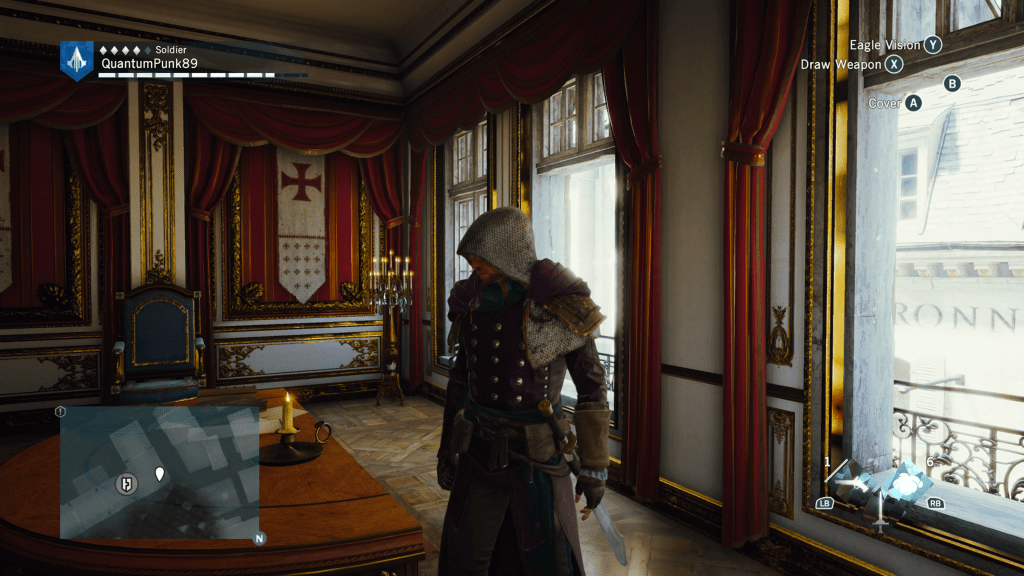
The goal of Unity is clearly to redefine what we expected from stealth games, it just fell short. There is overwhelming potential here, and again as I said before, it has plenty of fine missions, and even some really nice ones. However, I often felt like even the things the game was doing right were under-realized. You would get clues about opportunities for stealth during a mission and they’d be fruitless, or at least you would find this “help” to be more of a burden than anything.
Next in my succession of AC games is the follow-up to Unity, Assassin’s Creed: Syndicate. This next game takes place during the Industrial Revolution in London. I dabbled in Syndicate a while back, so I’m looking forward to returning to it. After that, I am going back to where it all began: the original Assassin’s Creed. These last couple titles are exciting, I have been through so much with these games over the last year.
AC: Unity might’ve fell short of its goals, but it set some lofty ambitions for itself. It tried to make the perfect Assassin’s Creed, but instead found much room for improvement yet. I paid full price when it launched in 2014, I just never played it until now. Don’t plunk down that kind of bread for this game. If you’re a French history nut, or AC die hard like me, try to find it on sale somewhere. In the end, I would say this was a fine game, I was just disappointed because I have such high expectations from playing these game so much recently.


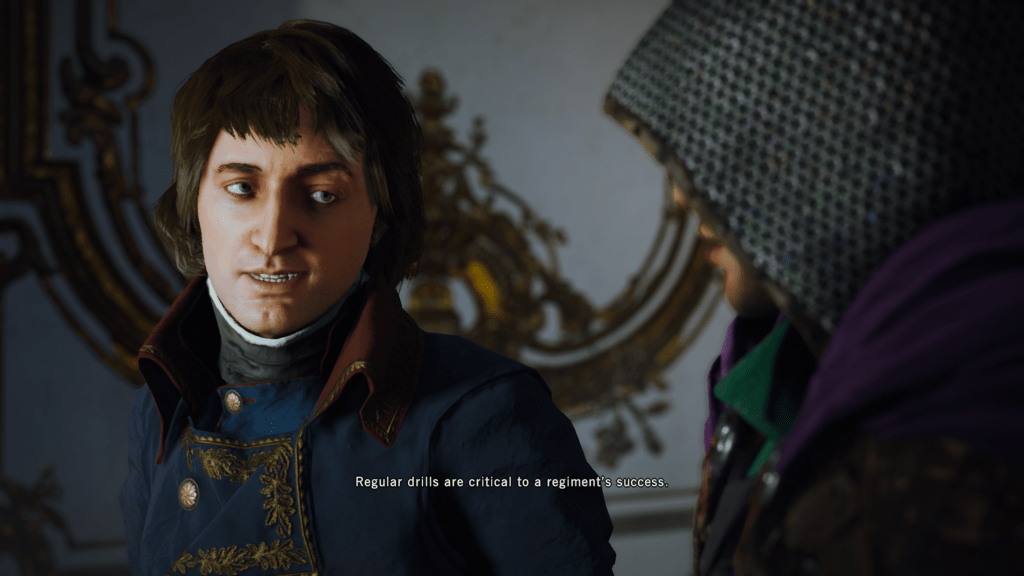

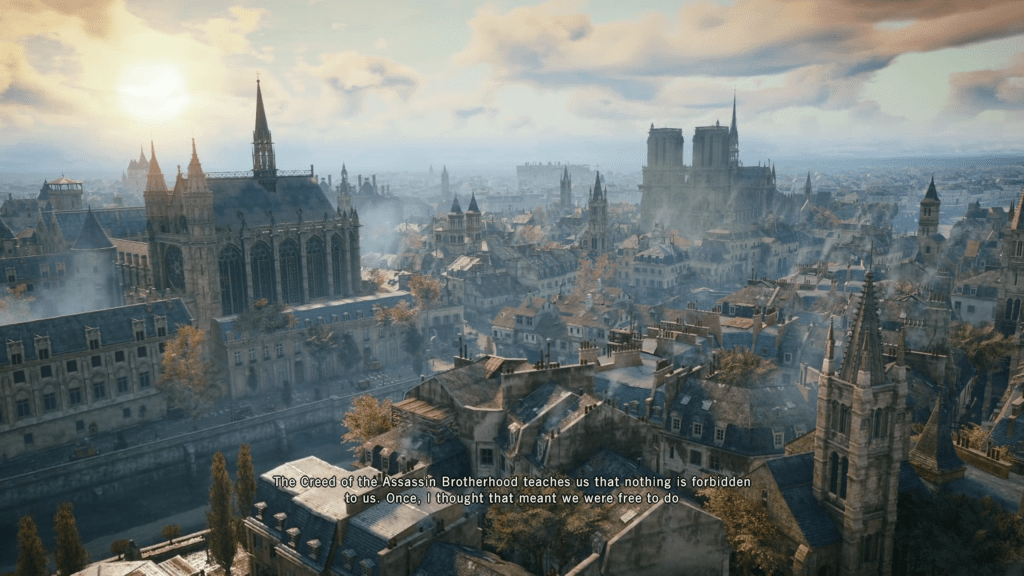
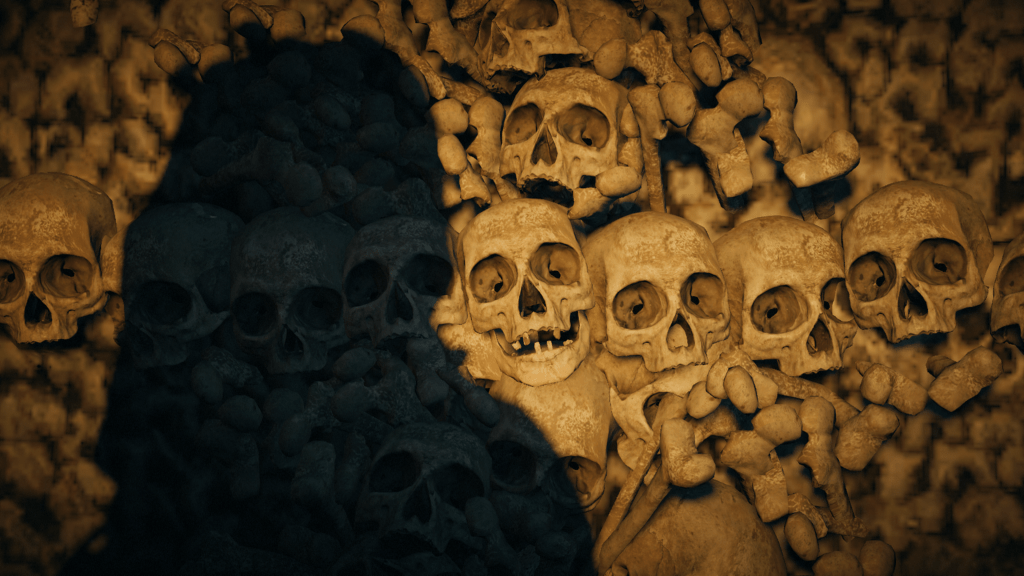

Credit: Assassin’s Creed Unity. Screenshots by me.

 HereticDerek